 (Image via
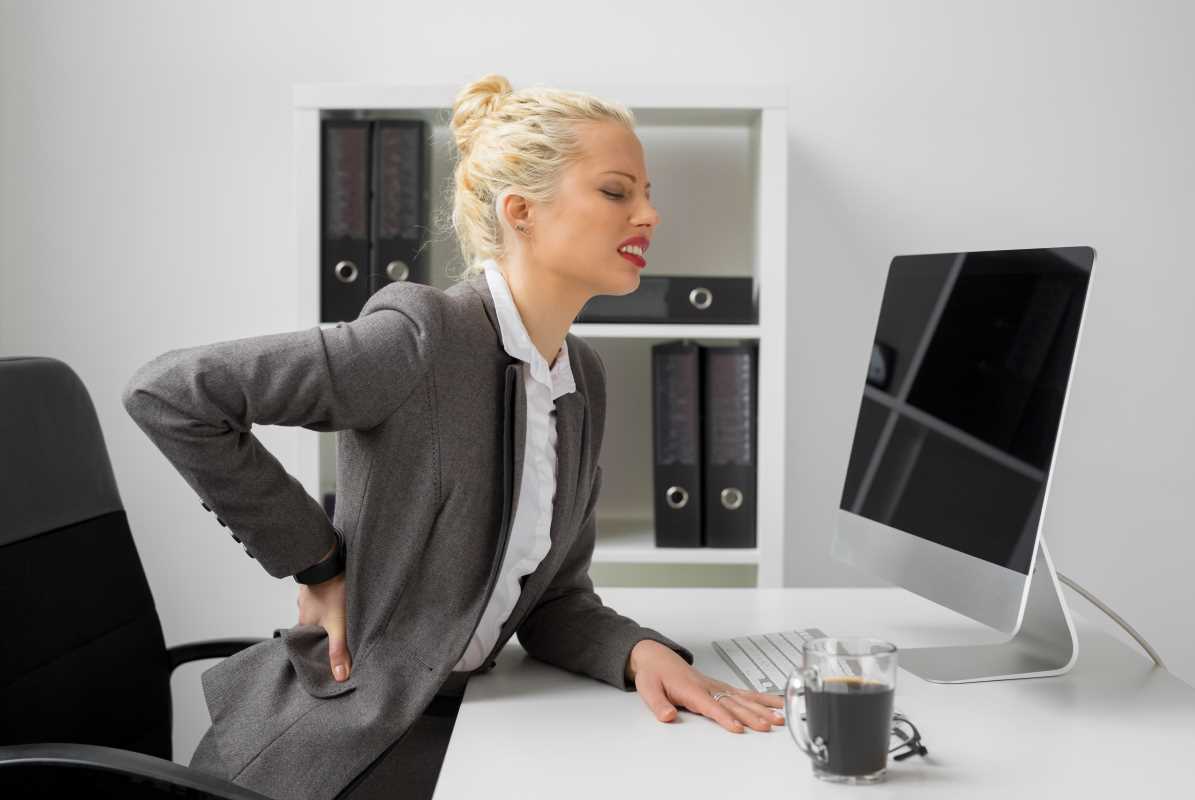
Back pain kills productivity. When you spend eight hours a day shifting in your seat, you start thinking more about your discomfort than your work. The solution isn't sitting up straight. You need to invest in equipment designed for the human body. High-quality ergonomic chairs support your posture, actively reduce fatigue, and keep your mind sharp. The right chair can transform an ordinary workspace into a source of daily motivation and energy. We will break down five leading ergonomic chairs, each with unique features and targeted benefits. From premium picks to budget-friendly selections, you’ll learn what sets these brands apart and how they deliver measurable results for your health and productivity.
The Science of Sitting
Ergonomics isn't a buzzword. It is the science of designing the job to fit the worker. Poor seating restricts blood flow, strains the lower back, and leads to long-term musculoskeletal issues that can cut careers short. Conversely, a chair that adapts to your movements promotes circulation, supports your spine’s natural curvature, and sustains oxygen flow to the brain. Poor workplace ergonomics are estimated to cost businesses billions each year in lost productivity and health expenses.
- Quick Fact: According to the CDC, musculoskeletal disorders account for nearly one-third of all workplace injuries and illnesses.
- Actionable Tip: When shopping, look beyond looks. Test for adjustability in seat height, armrests, lumbar support, and recline. Your chair should move with you, not lock you in a single static position. A good test: Can you change your posture every hour and remain supported?
Herman Miller Aeron
When people think of ergonomic excellence, they usually picture the Herman Miller Aeron. Remastered for modern work, this chair abandoned foam for a woven suspension membrane called Pellicle. This material eliminates pressure points and allows heat to disperse, keeping you cool during long sessions. The Aeron is a staple in high-performance offices and makes frequent appearances in health and tech startup offices for one reason: long-lasting comfort.
Key Features
- PostureFit SL: Adjustable pads stabilize the sacrum and support the lumbar region of the spine to mimic a healthy standing position.
- Inclusive Sizing: Available in three sizes (A, B, and C) to ensure a perfect fit for different body types.
- Pellicle Mesh: Breathable, flexible mesh material that replaces traditional foam or fabric cushioning, preventing overheating.
- Tilt Limiter and Forward Tilt: Lets you set a natural recline angle for focused work versus relaxation.
The Aeron suspends you. This weight distribution significantly reduces the physical load on your spine, allowing for longer periods of deep work without stiffness or numbness.
Designers, programmers, and executives often choose the Aeron because it keeps them supported during marathon brainstorms or coding sprints.
Pair your Aeron with a supportive footrest if your feet don’t touch the ground. This optimizes posture and maintains alignment.
Steelcase Gesture
We don't sit like we used to. We text, we recline, and we hunch over tablets. The Steelcase Gesture was designed after a global study of 2,000 people in 11 countries, identifying nine new postures brought on by modern technology. It’s one of the most adjustable chairs on the market and a solid choice for those who switch devices throughout the day or share their seat with others in a hybrid office.
Key Features
- 360 Arm: The armrests move like a human arm, adapting to how you interact with phones, tablets, or keyboards. You can lower, raise, slide, and pivot the arms for complete forearm support.
- 3D LiveBack: The backrest mimics the natural motion of your spine, flexing as you move to provide continuous support.
- Seat Depth and Height Adjustment: Quickly adapts for people of different shapes and sizes, great for shared workspaces.
The Gesture’s flexibility accommodates nearly every posture: leaning forward for focus, reclining back for calls, or sitting sideways during collaborative meetings.
The Steelcase Gesture is the top pick in multiple Wirecutter reviews and is frequently found in co-working spaces because it supports device-hoppers and team switchers alike.
If you frequently switch devices or tasks, set arm heights to align exactly with your desk surface. This reduces the risk of wrist and shoulder fatigue.
HON Ignition 2.0
You don't need a CEO's budget to protect your back. The HON Ignition 2.0 offers serious ergonomic adjustments at a mid-range price point. It proves that customizable comfort is accessible for home offices and scaling startups alike.
Key Features
- Synchro-Tilt: The back recline and seat cushion tilt in a synchronized ratio, keeping your feet planted while opening up your torso angle for better circulation.
- Adjustable Lumbar: A sliding lumbar support lets you target the exact spot on your lower back that needs reinforcement.
- Mesh Backrest: Breathable fabric maintains airflow throughout the day, minimizing sweat during long tasks.
According to the Occupational Safety and Health Administration (OSHA), a good chair with lumbar support makes a major difference in preventing repetitive strain injuries (RSI).
The Ignition 2.0 balances affordability with essential features. This is ideal for new offices, remote setups, and budget-conscious teams.
Use the tilt tension adjustment to match your preferred level of resistance. It’s a small tweak that prevents overexertion when reclining.
Capisco by HÅG
For those who hate staying still, the HÅG Capisco offers a radical departure from traditional design. Inspired by a horseback rider's posture, it encourages you to sit forward, backward, or sideways, and is widely praised in creative studios and home offices with standing desks.
Key Features
- Saddle Seat: Opens the hip angle, encouraging an upright spine and active blood flow.
- Plus-Shaped Back: Allows you to stretch your arms back and open your chest, combating the "tech neck" slouch.
- Adjustable Height Range: Elevates high enough to support perching and standing desk use, not just standard desk heights.
Active sitting stimulates core engagement and encourages frequent posture changes, reducing static fatigue. The Capisco is a favorite for designers and architects who move between desks and drafting tables.
Alternate between forward and backward seating throughout the day to keep your muscles engaged.
Hybrid users who split time between sitting and standing desks find the Capisco versatile enough to handle both.
Humanscale Diffrient World
Complexity often means more things can break. The Humanscale Diffrient World chair takes a subtle, less-is-more approach to ergonomic design. Famed designer Niels Diffrient eliminated standard mechanisms like knobs and levers, using the laws of physics and your body weight to provide automatic reclining support.
Key Features
- Weight-Sensitive Recline: The mechanism automatically adjusts the recline resistance based on who is sitting in it, requiring zero adjustment time.
- Form-Sensing Mesh: The specialized tri-panel mesh backrest fits like a tailored shirt, providing adaptive lumbar support without extra cushions.
- Minimal Controls: The lack of complicated levers and dials makes it user-friendly, especially in shared spaces.
For fast-paced office environments or team spaces where people rotate seats, the Diffrient World ensures everyone enjoys ergonomic support without needing to fiddle with settings.
Companies with flexible seating policies, like hot-desking or co-working locations, often use this model because it saves time for staff and ensures comfort for all.
If you work in a shared office, select a chair that adapts automatically to different users for less fuss and more comfort.
All articles published on ToolGauge are created for informational and editorial purposes only. Readers are encouraged to verify details directly with manufacturers, service providers, or official industry sources before making business or technology-related decisions. ToolGauge is not affiliated with, endorsed by, or officially connected to any specific company, brand, or technology provider unless explicitly stated.