 (Image via
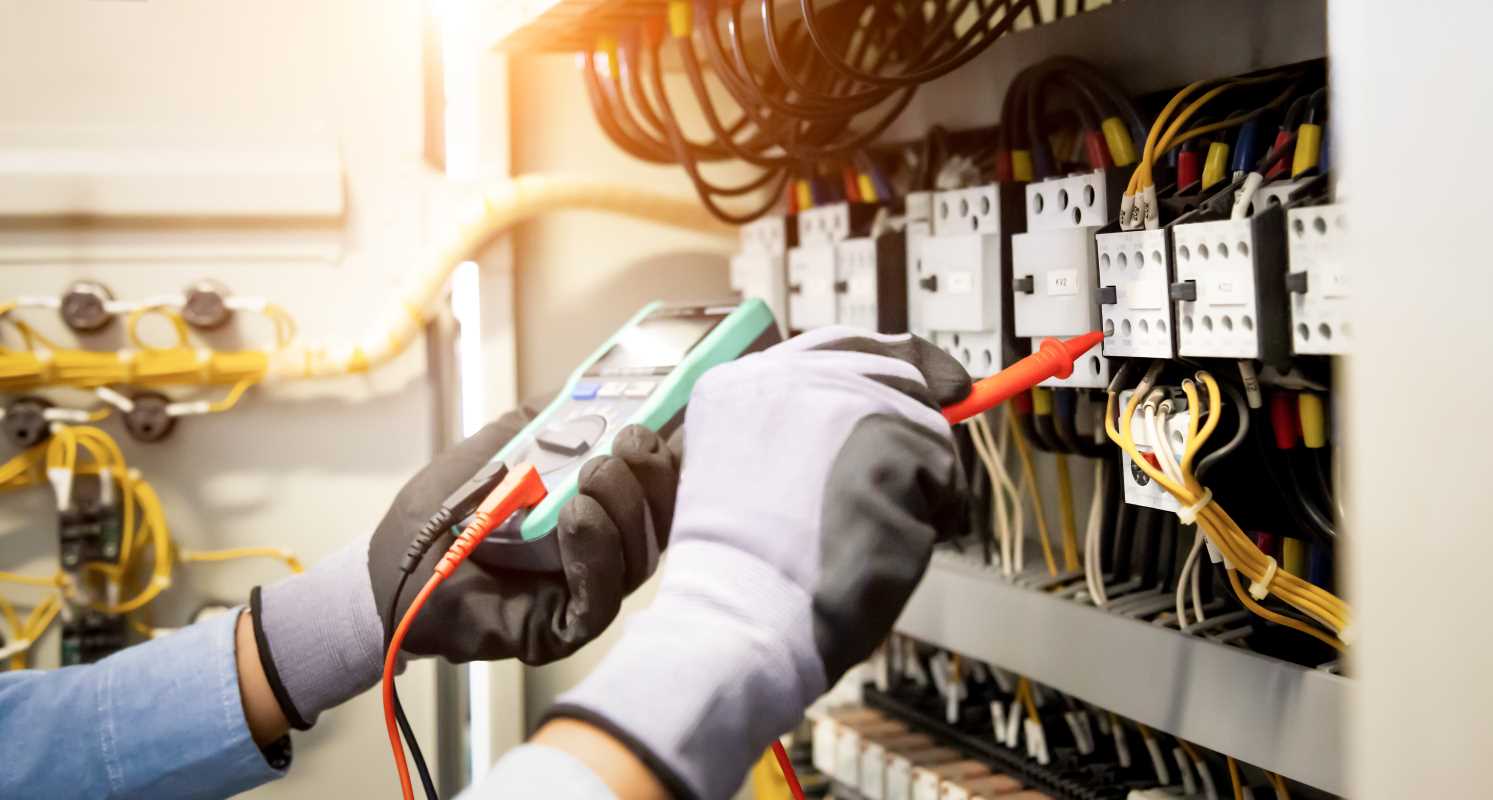
A light switch should work without a problem, but that's not always the case. There could be all sorts of problems like sparking, odd sounds, or burnt odors that warn you that something's wrong. Modern living depends on reliable power, but system failures are often ignored until they disrupt daily routines or present danger. Over 51,000 residential fires in the U.S. each year are linked to wiring issues. Business locations face lost revenue and safety risks from system failures. Reliable, skilled support keeps homes and workplaces protected and productive. Use this guide to spot hazards early, understand vital services for properties, and learn how to choose a qualified pro to keep your building running safely.
Warning Signs Not to Ignore
System problems rarely happen without warning. Subtle clues often arise before a serious breakdown. Noticing these details can prevent fire and cut expensive repair bills.
Unstable or Dim Lights
Lamps and fixtures should remain steady and bright. Dim or flickering bulbs when you plug in a device often mean the circuit is struggling to keep up. Worn connections in fixtures or main panels also trigger this behavior. Putting these warnings aside can overwork your expensive appliances and creates risks behind your walls.
Frequently Tripped Breakers
A circuit breaker’s main job is to interrupt power if it senses trouble. An occasional trip is normal, but frequent shutoffs signal trouble. Overloading with power-hungry gadgets, worn hardware, or line problems can be to blame. Repeatedly resetting a tripping breaker is risky. Don’t skip a professional evaluation.
Overheated Outlets
Sockets should never feel hot to the touch. Excess warmth means too much resistance, often caused by loosened or corroded wires. That extra heat may melt covers and, in time, damage building materials around them. Discontinue use immediately and arrange for expert assessment.
Odd Smells or Sounds
Smooth operation should be silent and odorless. Faint plastic or fishy scents suggest melting insulation. Humming or cracking noises from outlets or switches often point to a loose or arcing connection. Any of these can quickly escalate and require immediate service to avoid fire.
Fundamental Home Solutions
Home environments have unique requirements to keep families protected and technology operational. Separate living habits and newer technology place greater demands compared to past decades.
Panel Upgrades and Swaps
The central distribution box is a critical component. Old units or those designed for lower loads can’t keep up with current demands, like climate control, devices, and vehicle charging. Upgrading older units prevents overload, supports simultaneous use, and keeps everything up to code, supporting both safety and insurance needs.
Surge Protection for the Whole House
Sudden voltage spikes can strike from storms or appliance cycling. Basic strips offer limited protection, but comprehensive devices fitted at the main entry stop damaging surges before they travel through wires. This shields big-ticket electronics and sensitive equipment from instant destruction.
Modern Wiring and Safety Checks
Time and wear hurt old wire materials. Some houses built before the mid-20th century still contain dangerous or outdated methods. A thorough safety inspection identifies any risky sections. Upgrades to modern materials, code-compliant outlets, and arc-fault interruption devices help detect and address hazards early.
Installing Fixtures and Fans
Quality lighting changes a space. Professionals install everything from hidden fixtures to statement pieces. They are making sure supports hold up and controls are installed conveniently. Heavy fans need carefully reinforced boxes and correct connections for lasting operation and user safety.
Key Business Electrical Needs
Workplaces carry extra stakes, as downed systems stall productivity and frustrate customers. Professionals serving commercial locations manage more demanding loads and set-ups.
Backup Power Options
Outages seriously impact day-to-day business. Generators sized for the space and needs keep essential operations stable. Automatic switching units quickly sense a power loss and transition systems with minimal fuss, reducing downtime when reliability matters most.
Efficiency Improvements and Retrofits
Lighting is a major operational cost. Upgrades replace outdated, high-energy fixtures with long-life, efficient alternatives that reduce bills. Motion sensors and smart controls help make savings automatic. These investments often quickly pay for themselves as utility costs decline.
Specialized Data Connections
Data infrastructure is the backbone of modern offices. Structured installation ensures computers, phones, and wireless networks stay fast and interference-free. Organizing cabling improves airflow and makes troubleshooting efficient, whether you’re solving a slowdown or ensuring smooth network access.
Fire and Security System Setup
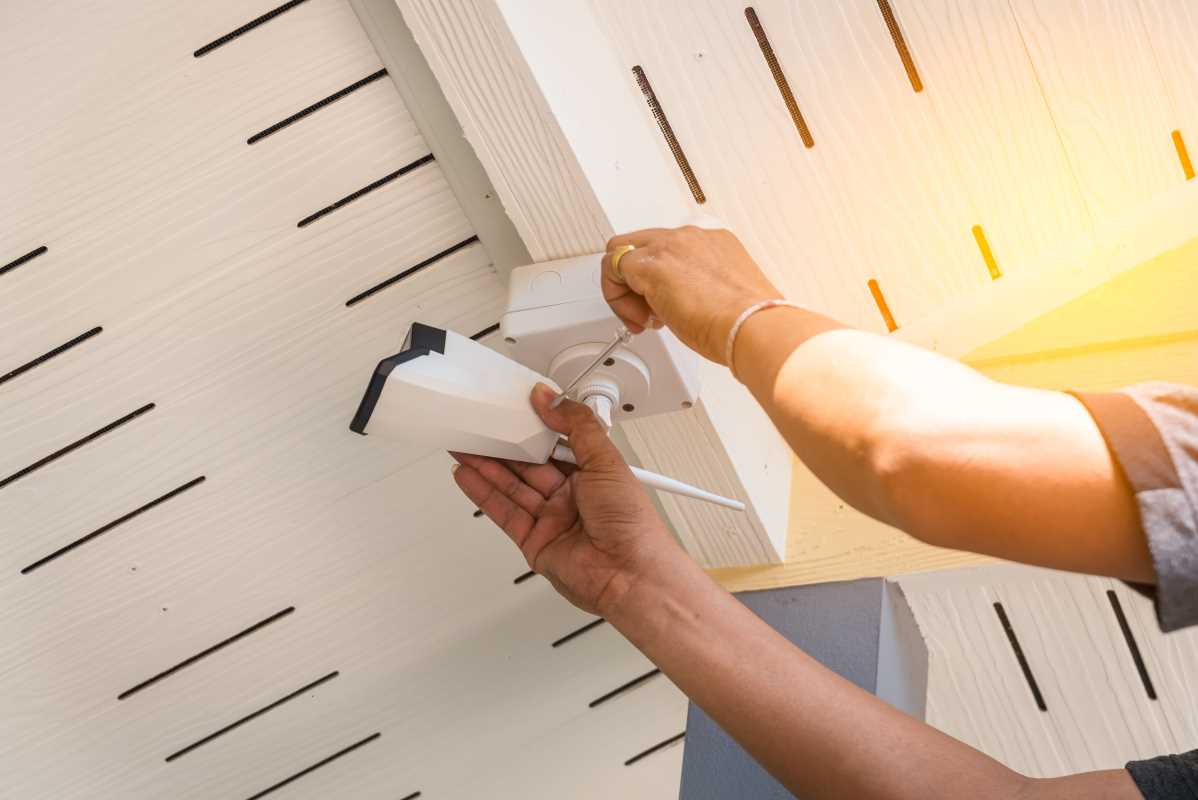
Asset protection goes hand-in-hand with compliant life-safety features. Specialists handle security cameras, sensor panels, and alarms according to strict regulations. Regular checks and prompt maintenance verify that everything works in an emergency, meeting required standards for ongoing business operations.
Finding a Trustworthy Professional
Poor work can be dangerous. Always choose a certified expert with the skills and coverage to do the job safely. Consider these steps to find the right fit.
- Confirm Certification and Coverage: Professionals must have current licenses showing advanced training and tested knowledge. Always check credentials through official agencies. Make sure liability and workers' compensation coverage is in place for your peace of mind.
- Match to Your Needs: Expertise varies. Residential and business environments place different demands on a technician. Ask about recent experience with the type of site and system you need serviced.
- Review Reputation and References: Online ratings and reviews offer candid feedback about professionalism and reliability. Do past clients mention good communication and site cleanliness? Ask for contact details of previous jobs as proof. An established expert will gladly provide them.
- Insist on Written Quotes: Request written, detailed bids before work begins. Proposals should include tasks, needed parts, and full labor costs. Be cautious with unusually low offers; they often skip steps or lead to surprise costs.
- Clarify Warranties and Support: Well-done work should last. Confirm labor and parts are guaranteed for a reasonable period. This way, future issues will be handled at no extra charge.
All articles published on ToolGauge are created for informational and editorial purposes only. Readers are encouraged to verify details directly with service providers, professionals, or official sources before making decisions related to services. ToolGauge is not affiliated with, endorsed by, or officially connected to any specific company, brand, or service provider unless explicitly stated.