 (Image via
A lock on the door isn't enough anymore. A burglary occurs every 30 seconds in the United States. Businesses lose billions annually to theft and property damage. Security has shifted from a "nice-to-have" to a non-negotiable necessity. You need more than a noisy alarm bell. You need intelligent eyes on your property 24/7. Modern protection is proactive. It uses connected cameras, AI-driven motion detectors, and remote access controls to stop crime before it starts. But buying the gear is only half the battle. Professional installation ensures your defense system actually works when it matters most. This guide cuts through the noise. We break down the best real-world installation options, the tech you need, and the companies that deliver verified results.
The Shift to Smart Defense
The days of grainy, black-and-white footage stored on dusty VHS tapes are over. Today’s security landscape is digital, wireless, and incredibly sharp.
From Reactive to Proactive
Old systems waited for a break-in to sound an alarm. Modern setups anticipate the threat. AI technology now powers cameras to distinguish between a stray cat and a prowling intruder. This drastically reduces false alarms and ensures you only pay attention when it counts. Cloud storage has replaced vulnerable on-site hard drives. Your footage is instantly uploaded to secure servers, keeping your evidence safe even if the hardware is smashed.
The Command Center in Your Pocket
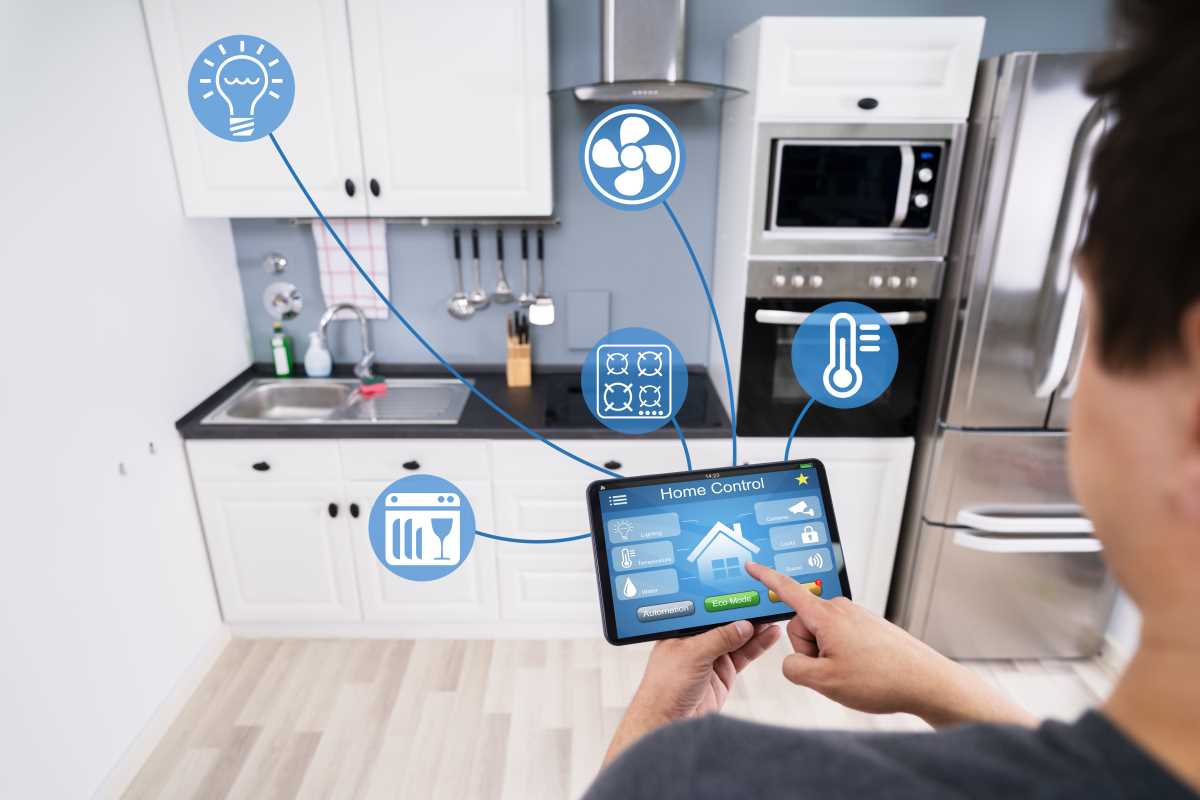
Your smartphone is now your security hub. Whether you are at the office or on a beach, you can view live HD feeds, lock doors, and speak to visitors through two-way audio. Real-time notifications keep you in the loop instantly.
Top Residential Installation Services
Protecting your home requires a blend of intrusion detection and smart home automation. These verified providers lead the residential market.
ADT
ADT is the biggest name in home security for a reason. They have over 140 years of experience and a massive network of professional installers. ADT specializes in professionally monitored systems. Their technicians handle the drilling, wiring, and sensor placement.
- The Edge: ADT recently partnered with Google. Their systems now integrate seamlessly with Google Nest cameras and displays, combining top-tier professional monitoring with best-in-class smart home tech.
- Best For: Homeowners who want a "set it and forget it" experience with reliable 24/7 monitoring.
Vivint
Vivint focuses heavily on total home automation. Their proprietary "Smart Hub" connects security sensors with smart locks, lights, and thermostats.
- The Edge: Their "Car Guard" device extends security to your vehicle, alerting you if your car is bumped or disturbed in the driveway. Vivint’s professional installation is mandatory for most plans, ensuring complex automation rules work perfectly from day one.
- Best For: Tech-forward homeowners who want their security system to also manage their energy usage and door locks.
SimpliSafe
SimpliSafe disrupted the market with DIY kits, but they now offer professional installation services. You buy the equipment upfront, and a certified pro sets it up.
- The Edge: No long-term contracts. Unlike ADT or Vivint, SimpliSafe allows you to pay month-to-month for monitoring. It is a lower-commitment option that still offers the benefit of expert setup.
- Best For: Renters or budget-conscious buyers who want flexibility without sacrificing professional installation.
Top Commercial Security Installers
Businesses face different threats. Employee theft, liability claims, and access control require robust, scalable solutions.
Verkada
Verkada is revolutionizing commercial security. They moved away from local servers (NVRs) to a hybrid cloud architecture. Their cameras store footage on the device and back it up to the cloud.
- The Edge: Their software is incredibly powerful. You can search footage by "person wearing red shirt" or "vehicle type" across all cameras instantly. It simplifies investigations for HR and security teams.
- Best For: Offices, retail chains, and schools needing scalable video security managed from a single dashboard.
Johnson Controls
For large facilities, Johnson Controls offers integrated building solutions. They combine security with HVAC and fire safety systems.
- The Edge: They specialize in complex access control. If you need to manage thousands of employee keycards across multiple campuses, their systems can handle the load.
- Best For: Large enterprises, hospitals, and industrial facilities requiring integrated building management.
The Tech Inside: What You Are Installing
Understanding the hardware helps you make better decisions. Here are the core components professional installers will recommend.
Video Monitoring Solutions
Cameras act as tireless watchdogs. Network-enabled IP cameras offer night vision and facial recognition.
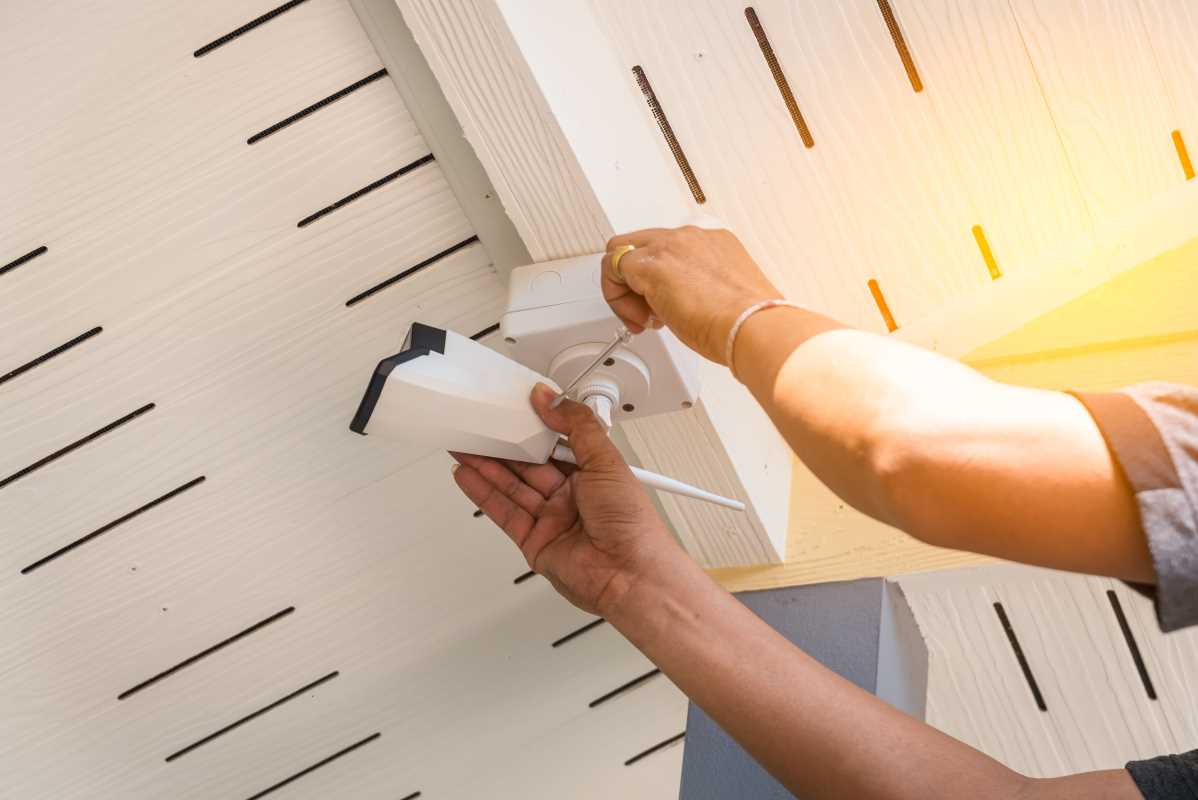
- Bullet Cameras: Highly visible deterrents, often used outdoors.
- Dome Cameras: More discreet, often used indoors to monitor retail spaces or lobbies.
- Doorbell Cameras: The first line of defense for homes, monitoring packages and visitors.
Breach and Entry Sensors
A network of sensors creates a digital perimeter.
- Contact Sensors: Trigger an alarm when a door or window is opened.
- Motion Detectors: Scan rooms for movement when the system is armed.
- Glass Break Sensors: Detect the specific frequency of shattering glass, triggering an alarm before an intruder even steps inside.
Environmental Alerts
Security is also about disaster prevention.
- Smart Smoke/CO Detectors: These alert the monitoring center immediately, dispatching fire trucks even if no one is home.
- Water Leak Sensors: Placed near water heaters or washing machines, these can shut off the water supply automatically if a leak is detected, saving thousands in water damage.
Why Professional Installation Matters
You can buy a box of sensors online, but professional installation offers distinct advantages.
Strategic Placement
An experienced installer knows exactly where to place a camera to avoid blind spots. They know which windows need glass break sensors and which need contact sensors. This expertise eliminates gaps in your coverage that a DIYer might miss.
Seamless Integration
Connecting cameras, smart locks, and thermostats into a single app can be a technical nightmare. Certified professionals ensure all devices talk to each other correctly. They troubleshoot connectivity issues on-site, ensuring your system doesn't drop offline.
Electrical and Aesthetic Safety
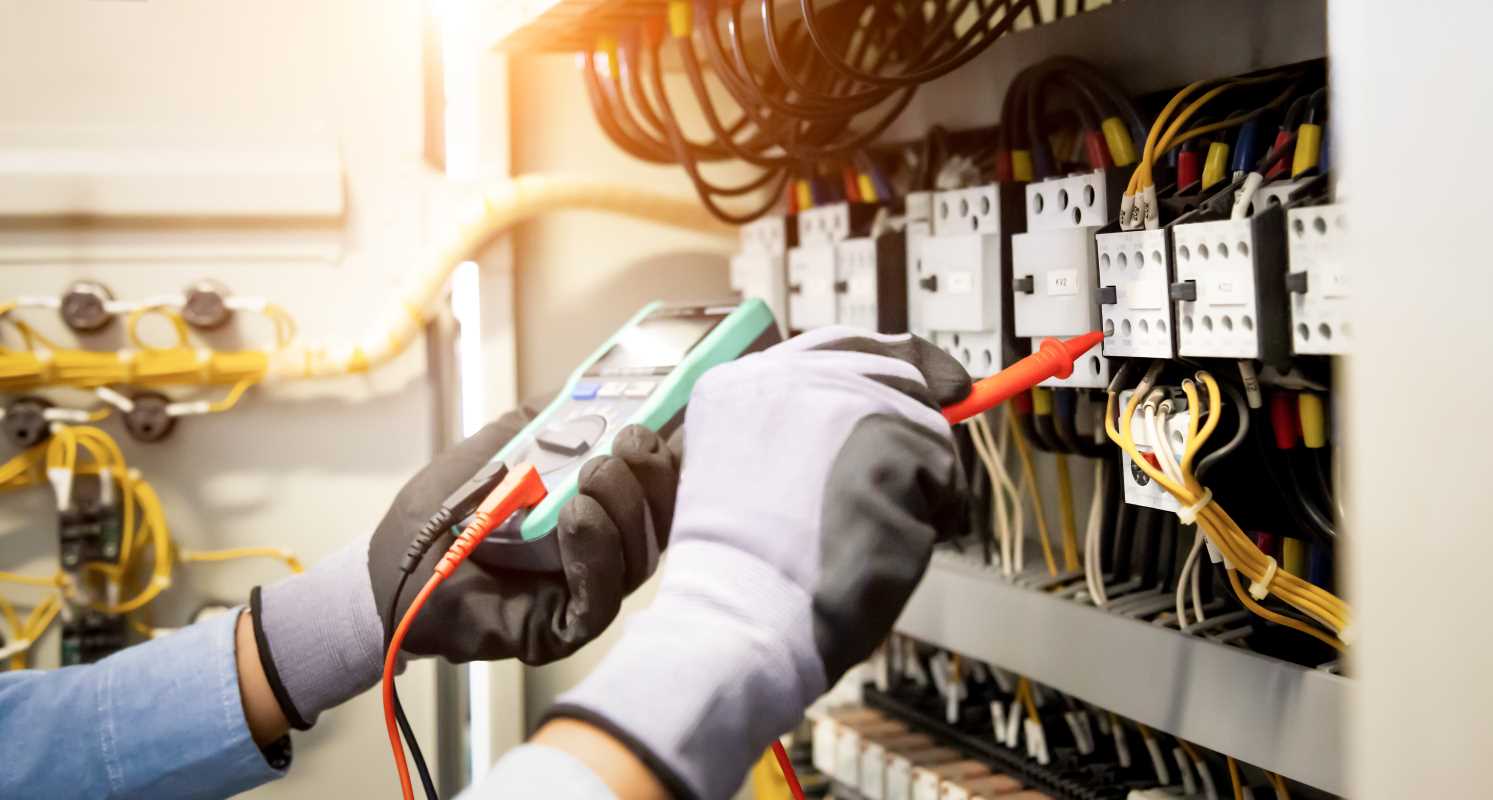
Hardwired systems require drilling and electrical work. Professionals handle this safely and cleanly, hiding wires behind walls for a polished look. This prevents exposed wires that intruders could cut or that simply look messy.
Choosing Your Security Partner
Selecting the right installer is as important as the equipment itself. Follow these criteria to vetting your provider.
Check Credentials and Licensing
Security installation is a regulated industry. Verify that your provider holds the necessary state licenses. Technicians should pass rigorous background checks. After all, you are giving them the codes to your home.
Review Monitoring Contracts
Read the fine print. Traditional providers often require 36-month monitoring contracts. Understand the cancellation policies. Companies like SimpliSafe offer freedom from contracts, while Vivint often finances equipment costs into the monthly fee. Know what you are signing.
Verify Ownership vs. Leasing
Ask who owns the equipment. With ADT and Vivint, you typically own the equipment after the contract ends. Some commercial leases might require you to return the cameras. Clear pricing structures prevent surprise bills later.
All articles published on ToolGauge are created for informational and editorial purposes only. Readers are encouraged to verify details directly with service providers, professionals, or official sources before making decisions related to services. ToolGauge is not affiliated with, endorsed by, or officially connected to any specific company, brand, or service provider unless explicitly stated.