 (Image via
Everybody wants to save money on their electric bill. So how do we do that without sacrificing cold air conditioning or necessary light? While discussions about saving energy often revolve around swapping light bulbs or adjusting the thermostat, the equipment you use in your home and yard plays a significant role as well. Older machines, particularly gas-powered ones, are frequently inefficient, noisy, and costly to maintain. In contrast, modern designs are engineered to achieve more with less energy. By upgrading to these newer models, you can significantly reduce your utility bills, lower harmful emissions, and lighten your workload. Many of these upgrades are also lighter, more user-friendly, and often include smart features for enhanced performance. This guide highlights standout products that present a win-win situation for both your wallet and the planet.
The Cordless Revolution
A huge stride in tool performance comes from smarter battery units and changes in how motors work. Using an outdated corded model or older cordless versions might mean you’re losing out on time savings and better results.
Exploring Brushless Technology
Standard electric motors have small carbon pieces called "brushes" that deliver current to spinning parts. That contact generates heat and wears down the machine over time. In contrast, brushless models use magnets and circuitry to move the motor without friction.
This leap in design means more of each battery charge gets translated into actual work. That's over 80% versus about 60% for brushed styles. That gives noticeably longer operation between charges, sometimes up to 50% more. These motors stay cooler, last longer, and are often smaller and lighter than older versions.
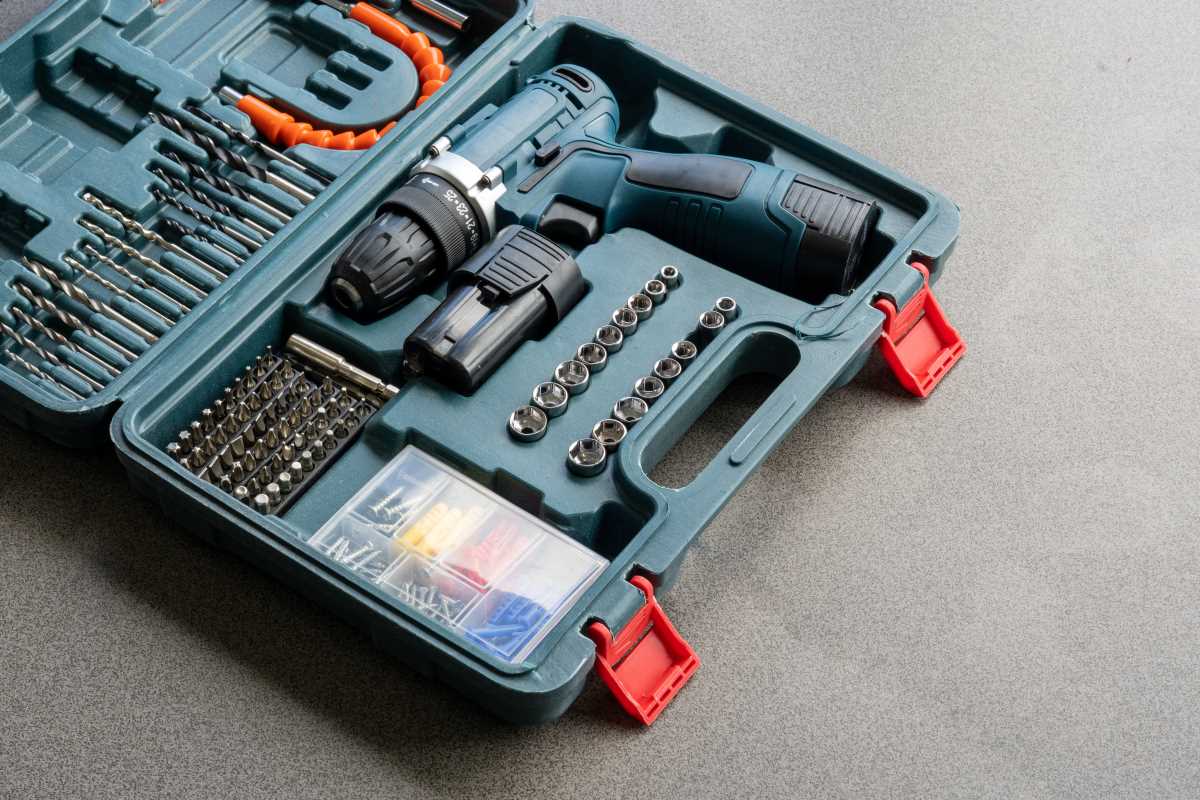
- Top Pick: The Milwaukee M18 FUEL series sets a high standard for cordless units. The M18 FUEL drill, for one, is robust and efficient, letting you power through tasks without constant battery changes.
Advances in Lithium-Ion Power
Today’s main battery of choice is lithium-ion. Unlike older nickel-cadmium types, lithium batteries are much lighter, keep their charge longer when idle, and aren’t plagued by the “memory effect.” Choosing a well-known battery system, such as DeWalt 20V MAX or Ryobi 18V ONE+, lets you operate a whole suite of equipment on shared batteries, saving dollars and limiting waste.
Smarter Outdoor Workhorses
Outdoor upkeep has changed: Where once loud, smoky gas products dominated, electric and battery models quietly take their place. They need less attention, don’t generate fumes, and are remarkably efficient at tackling typical outdoor jobs.
Choosing an Electric Lawnmower
Traditional gasoline mowers are big polluters and not very efficient. These days, both plug-in and cordless battery mowers offer a far cleaner cut. Battery-powered versions, especially, now have plenty of muscle and stamina for large yards.
- Top Pick: The EGO Power+ 21" Select Cut Mower leads the pack. Its 56-volt battery can last more than an hour per charge, and its twin blades yield excellent cuts. You get compact storage and zero worries about engine maintenance. Just recharge and go.
Letting Robots Handle the Grass
For the ultimate break in yard chores, try a robotic mower. Think of it as a self-driving trimmer for your yard. They consume minimal electricity and keep the grass even by trimming bits daily. The ongoing clippings enrich the soil as natural fertilizer.
- Top Pick: The Husqvarna Automower 415X maps out your lawn with GPS, handles varying terrain, and stays under your complete control with a phone app. Its lower lifetime costs make it a clever investment for serious lawns.
Cleaning Up With Blowers and Trimmers
Modern battery-powered blowers and trimmers go toe-to-toe with their gas rivals in power. They skip the fumes, reduce noise, and don’t require messy fuel mixing. Brushless motors in these devices push the performance and runtime even further.
- Top Pick: The Ryobi 40V HP Brushless Whisper Series Blower is strong enough for damp leaves but much quieter than conventional models, making life easier on your neighbors. Its power packs can serve other yard tools, adding value.
Efficiency Upgrades Indoors
Not all improvements are heavy-duty machinery. Smaller devices used around the house can also trim repair costs and cut down on waste.
Pinpointing Heat Loss
A key area for household energy loss is leaks at windows, doors, and outlets. Tracking down these hidden gaps is simple with a handheld gadget that identifies temperature changes on surfaces. This lets you find spots where outside air sneaks in.
- Top Pick: The BLACK+DECKER TLD100 Thermal Leak Detector is inexpensive and straightforward. Wave it over a surface, and it reads the current temp. It signals with color changes for hot and cold spots, making hidden drafts easy to locate and seal. Sealing up leaks can reduce heating or cooling bills by as much as 20%, according to government sources.
Upgraded Shop Vacuums
For cleanup after big projects, the old-style vacuums consumed lots of power. Many new models work harder yet draw less juice. Using a tough vacuum to tidy up beats sweeping by hand, saving energy and your valuable time.
- Top Pick: The Ridgid NXT line of wet/dry vacuums is built for suction and lasting efficiency. Their 12-gallon model draws less power than older versions yet doesn’t skimp on performance. Features like easy-to-clean filters keep things running smoothly.
Brighter, Safer Work Lights
Good lighting is vital for any home improvement. Older halogen site lights were energy hogs and could become dangerously hot. LED work lights shine brighter, stay cool, and consume far less power.
- Top Pick: The DeWalt DCL079B 20V MAX Cordless Tripod Light is an outstanding upgrade. It runs off the same batteries as many hand tools, lasts for hours on a charge, and puts out crisp, neutral light with none of halogen’s burn risk. Set up and pack away time is quick too.
All articles published on ToolGauge are created for informational and editorial purposes only. Readers are encouraged to verify details directly with manufacturers, retailers, or official sources before making home improvement, design, or purchasing decisions. ToolGauge is not affiliated with, endorsed by, or officially connected to any specific company, brand, or product unless explicitly stated.