 (Image via
So you want to start that DIY project you saved on your Pinterest years ago. But what equipment do you need? It can feel overwhelming to choose. Cutting tools, in particular, come in an incredible variety, with each specifically engineered for a distinct task. Selecting the correct tool makes your work significantly simpler, faster, and ensures professional-quality results and much higher safety standards. Just as you wouldn’t attempt to slice a crusty loaf of bread with a dull butter knife, there is an ideal specialized tool for every unique cut. In this comprehensive guide, we lay out all the essentials, offering practical advice for diverse tasks ranging from building custom bookshelves to managing rugged outdoor chores. Gain the expert know-how to choose your tools with total confidence.
Circular Saws
Few power tools are as handy as these for a homeowner working on household tasks. With a fast-spinning blade that moves through wood, plywood, and more, this handheld option can handle many tasks around the house. Large panels or long boards are easily trimmed down, making future steps easier.
- Why Choose It? To make a simple shelf, first, you need to break down plywood, then shorten support boards. This tool manages both jobs quickly. Projects like framing, putting together a deck, or resizing construction lumber are a breeze. Although specific tasks may require even greater precision, being able to bring your tool to the wood (not the other way around) is a bonus.
- Top Recommendation: The DeWalt 20V MAX 7-1/4-inch Cordless Circular Saw (DCS570B) earns high marks for its portable design. A cord-free setup means you can work anywhere. The 7-1/4-inch blade is a mainstay for most DIYers and carves through thick boards when needed. A brushless motor provides solid power and longer use, while an electric brake boosts safety.
Miter Saws
This machine is built for accuracy on angled cuts. A pivoting blade arm makes setting the right angle fast and simple. Anyone installing trim, baseboards, or frames will appreciate the precision.
- Its Standout Talent: This is the best way to make several wood pieces match in size or slant. For added flexibility, many models allow the blade to tilt (for beveled edges). Some also glide back and forth, making quick work of wider shelves and stair parts.
- Top Recommendation: The Ryobi 10-inch Sliding Compound Miter Saw is a smart pick for home workshops. Its wide cutting range fits all kinds of lumber projects, from shelving to molding. A built-in laser helps plot your line, reducing errors. Many reviewers note its great feature set for the cost.
Jigsaws
For curved cuts or unique patterns, this nimble little saw shines. The up-and-down action of its blade lets you follow lines and shapes easily. Cutting a round speaker hole or crafting fun designs? This tool makes it doable.
- Adaptability in Blades and Uses: Swapping in a new blade lets you tackle thin metal, plastic, or tile. Blades come in different shapes to suit the job: finer teeth give a cleaner edge, while larger ones cut faster. It’s a flexible solution for many situations.
- Top Recommendation: The Bosch JS470E Jigsaw is known for both comfort and punch. Blade changes are safe and quick, so there's no need to touch hot metal. Speed is adjustable, so you get smoother control for tricky shapes and faster action for easier jobs.
Reciprocating Saws
When something needs taking apart, this robust tool is your new best friend. Instead of neat cuts, this tool offers raw strength and reach. Typical uses include knocking down walls, hacking through stray nails, or trimming thick branches.
- The Story Behind "Sawzall": Milwaukee Tool’s "Sawzall" helped give this tool its nickname. The design slips into tough spots for jobs that tougher equipment can’t manage. Plumbing, window frames, or even breaking down wooden pallets are all within reach.
- Top Recommendation: The Milwaukee M18 FUEL Sawzall Reciprocating Saw easily leads its class. The strong motor and orbital motion provide aggressive cutting, all while lessening vibration. That reduction in shaking is a welcome feature for longer projects.
Oscillating Multi-Tools
This multitasker goes beyond cutting, but its specialty in making precise straight-in cuts is handy. The oscillating motion lets you plunge directly into a spot, which is something other saws can’t do well.
- Fixes Most Odd Jobs: Stuck on a tricky project, like trimming the underside of a door without removing it or making an outlet hole in drywall? This gadget has you covered. Besides cutting, it can sand or scrape, earning its place among home essentials.
- Top Recommendation: Try the Fein MultiMaster 350Q SL for its superior comfort and quick part swaps. Less vibration means you can work longer, and the easy blade attachment keeps momentum going.
Table Saws
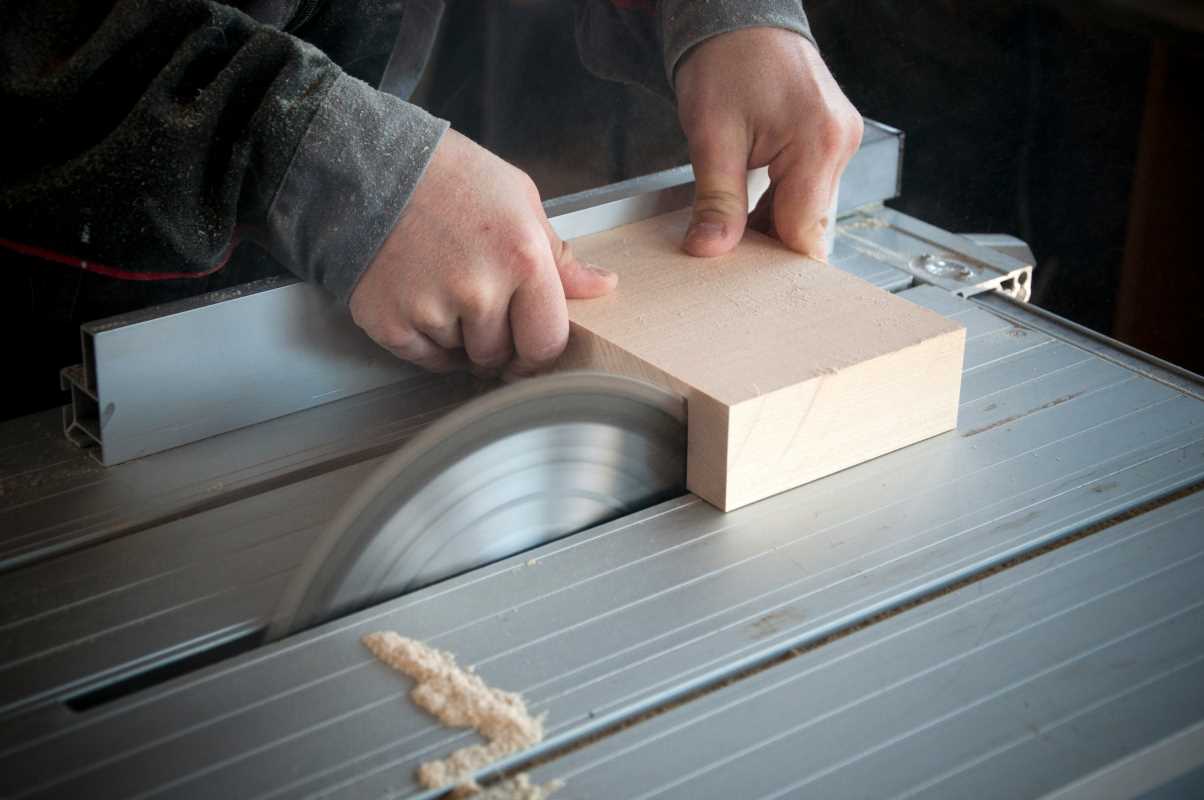
For precision and repeat work, a table saw is the backbone of the home shop. Instead of the blade moving through your wood, you slide the board through the blade. This setup offers a subtle stability you’ll appreciate on exacting jobs.
- Why Upgrade? Nothing beats this tool for slicing straight cuts along the length of boards, or when handling big panels. It’s the top choice for complex builds, like cabinets or furniture, where every fraction of an inch matters.
- Top Recommendation: Bulky workshop units aren’t necessary for most homes, but a compact option strikes the right balance. The SKIL 10-Inch Jobsite Table Saw (TS6307-00) stands out for its reliable guide system and collapsible stand. You get both accuracy and a footprint that fits tight spaces.
All articles published on ToolGauge are created for informational and editorial purposes only. Readers are encouraged to verify details directly with manufacturers, retailers, or official sources before making home improvement, design, or purchasing decisions. ToolGauge is not affiliated with, endorsed by, or officially connected to any specific company, brand, or product unless explicitly stated.