 (Image via
Home projects are fun in theory, but there's always a learning curve. Taking on home projects like fixing up furniture or preparing a deck can be incredibly rewarding, until the time comes to scrub or sand by hand. Manual sanding is exhausting, time-consuming, and often doesn’t deliver the satisfying results you’re hoping for. That’s where powered sanding and grinding tools come in. These tools are designed to remove unwanted finishes, smooth rough surfaces, and prepare materials quickly and efficiently, saving you hours of hard work. The right tool reduces strain and helps you avoid mistakes, making your project more enjoyable and professional-looking. From detailed work to tackling tough, layered messes, let’s explore the best sanding and grinding tools to make your next project shine.
Sanders vs. Grinders
It’s easy to mix up these two tools, but each excels at different types of tasks. Knowing which to use is key to great results.
Sanders are designed for gentle touch-ups. Their sanding pads or sheets lightly remove material to smooth wood or get a piece ready for stain or paint. Their goal is to leave surfaces even and free of scratches.
Grinders, on the other hand, are much more forceful. With high-speed spinning discs, grinders handle tougher jobs such as shaping metal, smoothing down welds, or blasting years of buildup off stubborn spots. You can equip grinders with sanding attachments, but most are too powerful for delicate finishes and can leave marks.
The Essential Sanders for Woodworking
Most home refinishing jobs involve wood, and there’s a tool for every stage.
Random Orbital Sanders
Random orbital sanders are prized for their versatility. They spin and move in small orbits. This action helps avoid unsightly marks that can show up with standard sanders.
- DeWalt DWE6423K Variable Speed Random Orbit Sander: This compact model sits low for solid control. Its variable-speed feature lets you tailor the power to your needs, turning it down for trickier work and cranking it up for heavy removal. The dust bag works fine, but attaching a vacuum always helps.
- Best Use Case: Great for prepping a tabletop or getting shelves ready to paint. Fast on rough spots but gentle enough for surfaces you’ll want smooth to the touch.
Belt Sanders
Belt sanders are known for their relentless nature. They use a loop of sandpaper riding on two rollers, tackling demanding tasks quickly. Used carelessly, they can remove too much at once.
- Makita 9903 3-Inch x 21-Inch Belt Sander: Sturdy and reliable, the Makita 9903 runs quieter than most but remains extremely capable. Its auto-tracking keeps the belt from slipping, and you can flip the tool over for bench-style use. This is a handy trick for small parts.
- Best Use Case: Leveling rough deck boards or stripping away old paint on a door. Avoid fragile veneers because belts can eat through thin material.
Detail Sanders
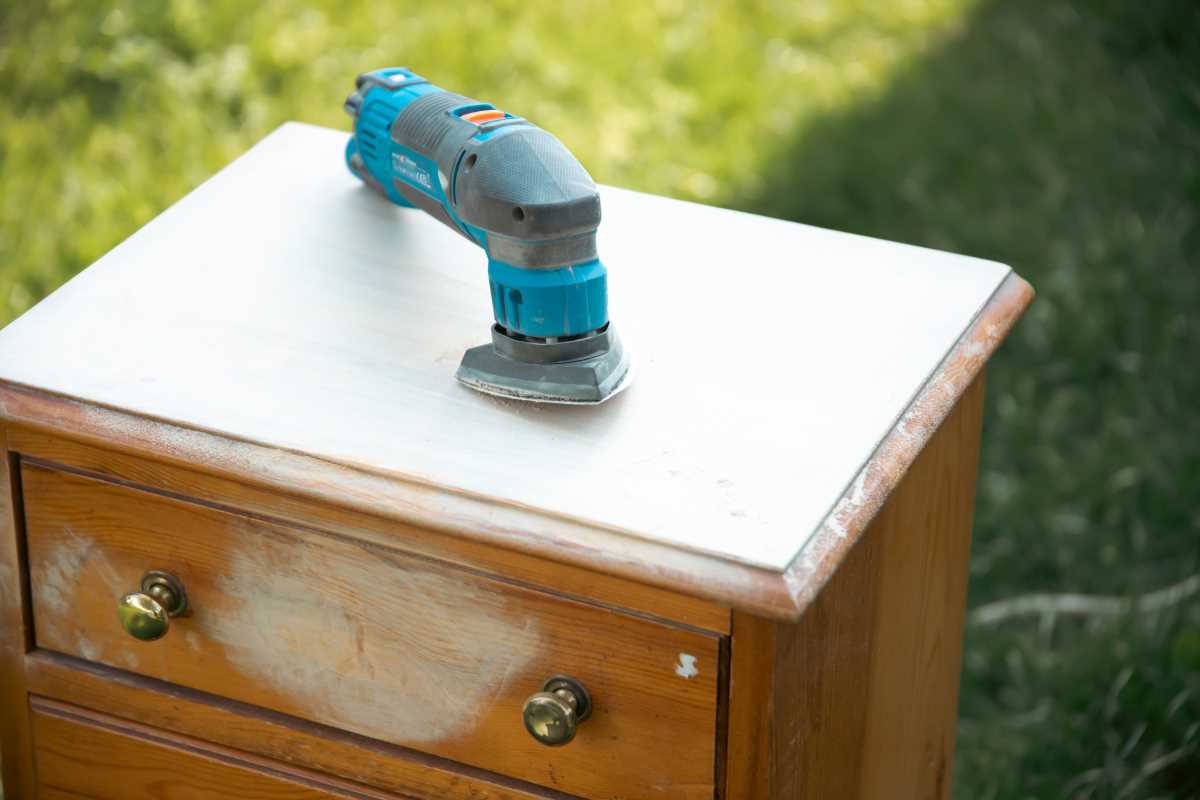
Standard sanders work well on broad surfaces, but corners and tight spots demand a different shape. "Mouse” sanders with compact, triangular sanding pads are the answer.
- Black+Decker BDEMS600 Mouse Detail Sander: Budget-friendly and ideal for ornate projects, this tool includes attachments for tricky grooves. It’s lightweight and designed for one-handed use. Not for heavy removal, but perfect for those last bits in detailed spaces.
- Best Use Case: Navigating window corners, between stair rails, or adding the final polish to carved furniture pieces.
The Power of Angle Grinders
Angle grinders are the go-to for more demanding tasks involving metal, brick, or concrete. Their open design allows you to swap out different accessories for various jobs.
Corded vs. Cordless
Reliable power matters for grinding. Plug-in models keep running for long jobs, but newer battery versions can easily hold their own.
- Bosch 1375A 4-1/2 Inch Angle Grinder (Corded): Solid and easy to maneuver, this Bosch model is a favorite for its manageable weight. Its motor chews through DIY chores, whether you’re trimming tile or cleaning up tools. It's affordable and tough; great for anyone who occasionally works with harder materials.
- Milwaukee M18 FUEL 4-1/2" / 5" Grinder (Cordless): Already have Milwaukee batteries? This tool delivers impressive muscle, despite being cordless. The safety features stop attachments quickly, which is a real bonus. It keeps working even under pressure.
- Best Use Case: Perfect for cleaning up metalwork, sharpening blades, or getting rid of rust. With the right blade, tough tasks like cutting paving stones are easy.
Accessories That Make the Difference
No matter which tool you have, your choice of attachment matters. Cheaper abrasives waste your time and may not perform well.
- Sanding Discs: Opt for quality materials like aluminum oxide or ceramics. They last longer and avoid clogging as quickly. Lower grits (60/80) work well for fast removal; higher numbers (180/220) give a fine, finish-ready surface.
- Flap Discs: Suited for grinders, these combine overlapping abrasive sheets. They smooth and grind in a single step and are friendlier for beginners.
- Wire Wheels: Connecting these to your tool or drill helps scrub away paint and rust without gouging the material. Be cautious; these can shed bristles, so goggles are a must.
Safety First
Both sanders and grinders move fast and require some basic precautions.
- Eye and Ear Protection: Eye protection is critical; sparks, dust, and fine debris are all hazards. Sanders might seem quieter, but both can be loud enough to require hearing protection in a shop.
- Dust Management: Wood dust is harmful if inhaled. Most sanding tools work with vacuums. Use one to remove dust from the air and extend tool life. A dust mask adds another layer of protection.
- Secure Your Workpiece: Never try to sand or grind small items while holding them. They can become dangerous projectiles or injure your hands. Always clamp your work firmly.
Making the Right Choice for Your Project
Start by thinking about the results you want.
- Furniture Restoration: A random orbital sander covers surfaces quickly and leaves a professional smoothness. Add a detail sander for trickier areas or carved accents.
- Deck Refinishing: Use a belt sander to power through peeling finishes or bumps, then follow up with a random orbital sander for a clean, uniform look.
- Metal Railing or Gate: Reach for an angle grinder with a brush or flap attachment to refresh metal quickly and thoroughly.
- General Home Repairs: For patching drywall or smoothing door edges, a standard orbital sander gets the job done in minutes.
Maintenance for Longevity
A little care helps your equipment last.
- Blow It Out: Dust can build up inside your tools after a big project. Using compressed air helps prevent overheating and keeps your tools in good shape.
- Check the Pads: If your sanding discs stop sticking, check if the hook-and-loop pad is worn out. It’s easy and cheap to replace, and swapping too early is better than losing half your discs.
- Store Cords Correctly: Never over-tighten cords when packing up. Wrap them loosely and use any included fasteners to avoid damaging the wires inside.
All articles published on ToolGauge are created for informational and editorial purposes only. Readers are encouraged to verify details directly with manufacturers, retailers, or official sources before making home improvement, design, or purchasing decisions. ToolGauge is not affiliated with, endorsed by, or officially connected to any specific company, brand, or product unless explicitly stated.