 (Image via
Your flooring probably isn't something you really notice unless something's wrong. That's why maintenance is so important. Floors do a lot of heavy lifting in both homes and commercial settings. Every day, they deal with busy footsteps, moved furniture, and accidental spills. Yet they also play a big role in how a space looks and feels. Choosing a surface that fits your needs, along with the right upkeep routine, has a lasting impact on your investment. Both owners and managers benefit from recognizing the strengths and limitations of popular floor choices, how they’re put in place, and the attention needed to keep them in top shape. We will help you weigh style against practicality and long-term care, equipping you to make decisions that lead to fewer hassles and better results down the road.
Choosing the Right Flooring Material
Picking out new surfaces involves more than simply selecting a color or texture that appeals to you. The intended use of the space, exposure to water, and level of activity all matter. Each option brings specific pluses and minuses.
Hardwood
For many, genuine wood boards remain the gold standard due to their enduring appearance and potential to boost resale prices. Oak, maple, and walnut are frequently chosen for their stability and variety. One big benefit is refinishing. Flooring can be sanded down and coated several times over its life. Wood responds poorly to too much humidity and shouldn’t be used in damp places like basements, though. Warping and expansion are common outcomes if conditions aren’t right.
Engineered Wood
Engineered boards offer a practical alternative, largely thanks to their layered build. The top is real wood, bonded to a core of sturdier materials, giving more resistance to swings in temperature and dampness. These planks work well on concrete or in basements where solid products don’t hold up. They’re usually more affordable and easier to install but aren’t suited to repeated sanding.
Laminate and Luxury Vinyl
Modern manufacturing has transformed resilient surfaces. Laminate closely resembles natural materials by using high-quality images and a tough coating on top. It stands up well to pets and family wear. Luxury vinyl planks or tiles are another standout. They’re soft to walk on, shield against moisture, and withstand years of activity. This makes them great choices for kitchens, bathrooms, and any high-traffic rooms.
Tile and Stone
Porcelain, ceramic, and stone tiles are extremely dependable in wet or busy areas. They offer strong protection against stains and don’t wear down quickly, which is ideal for entryways or bathrooms. Stone, in particular, gives each floor a one-of-a-kind look. The downsides are obvious: these materials can be chilly, firm underfoot, and require focused installation on a flat, stable subfloor. It’s not a quick or easy job and is best left to a pro.
The Installation Process Explained
High-quality materials won’t live up to their promise without careful prep and a solid installation process. Skimping here can mean trouble for even the best surface.
Preparation is Key
Success depends heavily on what happens before the boards or tiles go down. All residues, adhesive, and bumps should be taken care of so there’s a clean, dry, and level base. For concrete, testing for dampness matters. A wet slab can compromise glue and ruin organic materials.
Acclimation Matters
Materials like wood and laminate behave differently based on the conditions in a room. Allowing planks to sit out for a few days helps them adjust, so they expand or shrink as needed before they’re installed. Skipping this step often leads to gaps or buckling not long after.
Installation Methods
Surfaces require different techniques, depending on their construction:
- Nail-Down: Used mainly for traditional solid wood boards. Nails or staples secure planks to a wooden base, giving stability and structure.
- Glue-Down: Many engineered or synthetic materials use adhesives spread directly onto the sublayer to create a tight, secure fit.
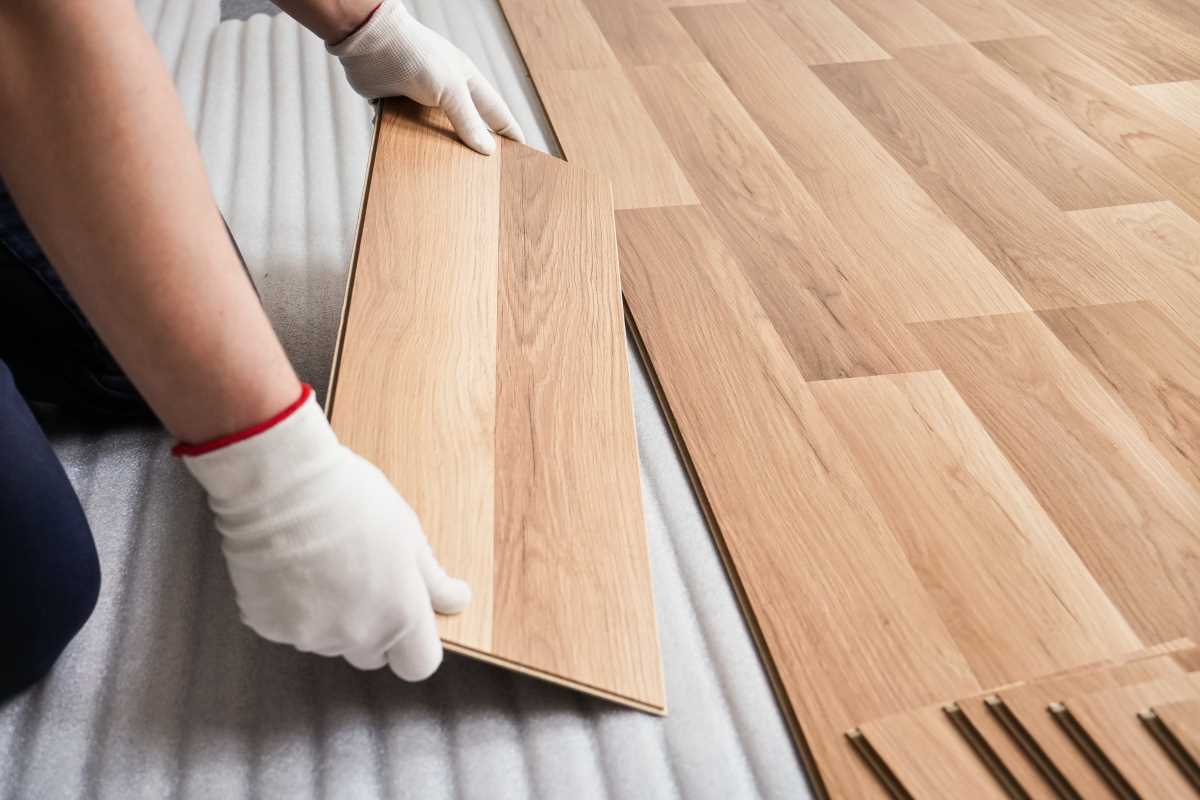
- Floating: Interlocking platforms, such as laminate and some luxury vinyl, rest on the underlayment and lock together with no need for glue or nails, speeding up the job and making do-it-yourself projects possible.
- Mortar and Grout: Tiles need a thin set to anchor them to the base. Grout between the tiles blocks out dirt and moisture and helps keep them in position.
Essential Maintenance Strategies
Protecting your floors from everyday wear calls for a consistent care routine. Grit and debris grind away at nearly any finish if ignored.
- Daily and Weekly Cleaning: Sweeping or vacuuming hard surfaces removes sharp grit before it scrapes the finish. Choose vacuums with no rotating brushes, which can scratch softer materials. A damp mop and a gentle, floor-safe cleaner keep surfaces fresh each week. Avoid using strong or abrasive cleaners, as they may damage protective coatings.
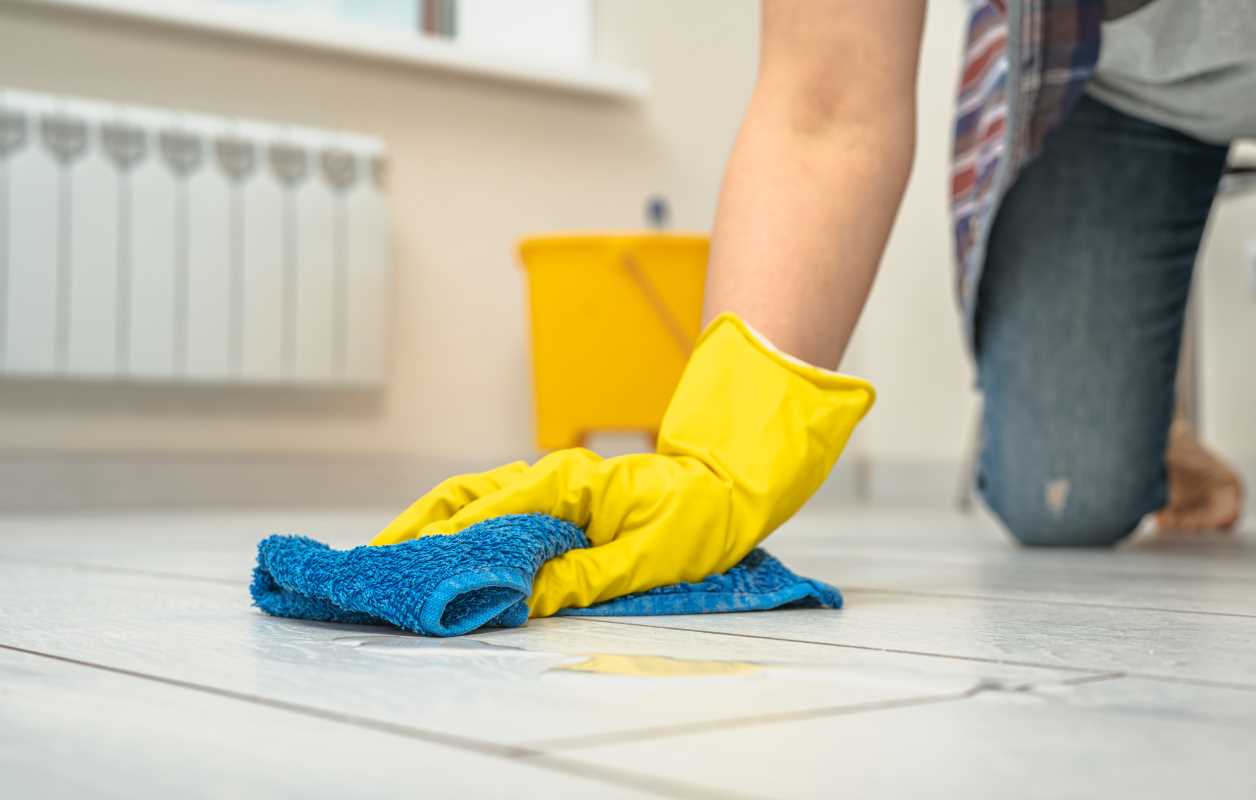
- Managing Moisture and Spills: Excess liquid is the enemy, especially for wood and laminates. Swiftly blot up spills to stop warping or stains. Never soak-mop wooden surfaces. Instead, use minimal moisture and dry promptly. Steam cleaning wood can be risky. For water-resistant options like vinyl or tile, remaining puddles should still be dried up to protect seams and grout.
- Preventative Measures: Cut down on dirt tracked inside by using mats at all doors. Felt pads on the legs of tables and chairs help avoid scratches when moving them. Shoes with small, hard heels can leave dents or chips, so consider going shoe-free or using rugs in high-activity spots for added protection.
When to Call a Professional
Some jobs, no matter how diligent your care, require an expert touch.
- Refinishing Hardwood: Scratches, gouges, or fading can eventually make any wooden surface look tired. A contractor can sand away the upper layers safely and apply fresh finishes, leaving floors looking rejuvenated. This process is messy, noisy, and demands tools and skill not found in most households.
- Deep Cleaning Carpets and Tile: Regular vacuuming doesn’t get rid of ground-in grime. Rugs benefit from periodic steam cleaning done by specialists, which pulls out stains and allergens deeply embedded in fiber. Likewise, grout in tiled spaces can become dingy over time, but a pro can restore brightness with high-powered equipment and the right solutions.
- Repairing Damage: Dings, chips, or water damage can be tricky to repair. Inserting a new tile or board without ruining neighboring sections calls for experience. Pros can make these changes without leaving obvious evidence. That's a big bonus when you’re not ready to overhaul the whole room.
All articles published on ToolGauge are created for informational and editorial purposes only. Readers are encouraged to verify details directly with service providers, professionals, or official sources before making decisions related to services. ToolGauge is not affiliated with, endorsed by, or officially connected to any specific company, brand, or service provider unless explicitly stated.