Your AC unit fails on the hottest day of July. It’s a classic nightmare scenario. Suddenly, your sanctuary turns into a sauna, and your productivity evaporates. HVAC systems are the unsung heroes of modern life, running silently in the background until disaster strikes. But these complex machines demand respect and regular care. Neglect them, and you face skyrocketing utility bills and degraded air quality. Proactive maintenance might feel like a chore, but it is a financial strategy. Smart homeowners know that spending a little now saves thousands later. This guide cuts through the noise to deliver real, verified solutions. We highlight the best practices, the smartest technology, and the most reliable national providers to keep your air flowing and your costs low.
The High Cost of Doing Nothing
Ignoring your HVAC system is expensive. Dirt and neglect are the enemies of efficiency.
Soaring Utility Bills
Dust is a silent killer for HVAC efficiency. When filters clog, fans work harder. When coils get grimy, heat transfer slows down. The result is a system that runs longer and eats more power. The U.S. Department of Energy reports that routine maintenance can reduce energy consumption by up to 25%. That is money straight back in your pocket.
Catastrophic Failures
Breakdowns rarely happen overnight. They start as small issues. A loose wire today becomes a fried control board tomorrow. A minor refrigerant leak eventually kills the compressor, which is the heart of your system. Replacing a compressor costs thousands. Catching a leak early costs a fraction of that.
Compromised Air Quality
Your HVAC system creates the air you breathe. Without care, it becomes a breeding ground for mold and bacteria. It recirculates dust, pollen, and pet dander. This triggers allergies and respiratory issues. Clean systems mean clean air.
Filtration as the First Line of Defense
Air filters are your system's kidneys. They trap contaminants before they damage sensitive parts. Using high-quality filters is the easiest DIY maintenance step you can take.
Filtrete by 3M
You need a filter that balances airflow with particle capture. Filtrete filters are the industry standard. Their electrostatic technology attracts and captures microscopic particles like smoke and virus carriers. They offer a range of MPR (Microparticle Performance Rating) levels, allowing you to choose the right protection for your specific health needs.
Honeywell Home
Honeywell Home offers robust media air cleaners that fit directly into your ductwork. These thick, pleated filters last up to a year and provide superior filtration compared to standard one-inch fiberglass filters. They are a favorite among HVAC professionals for maintaining high system airflow while trapping dust.
The Smart Thermostat Revolution
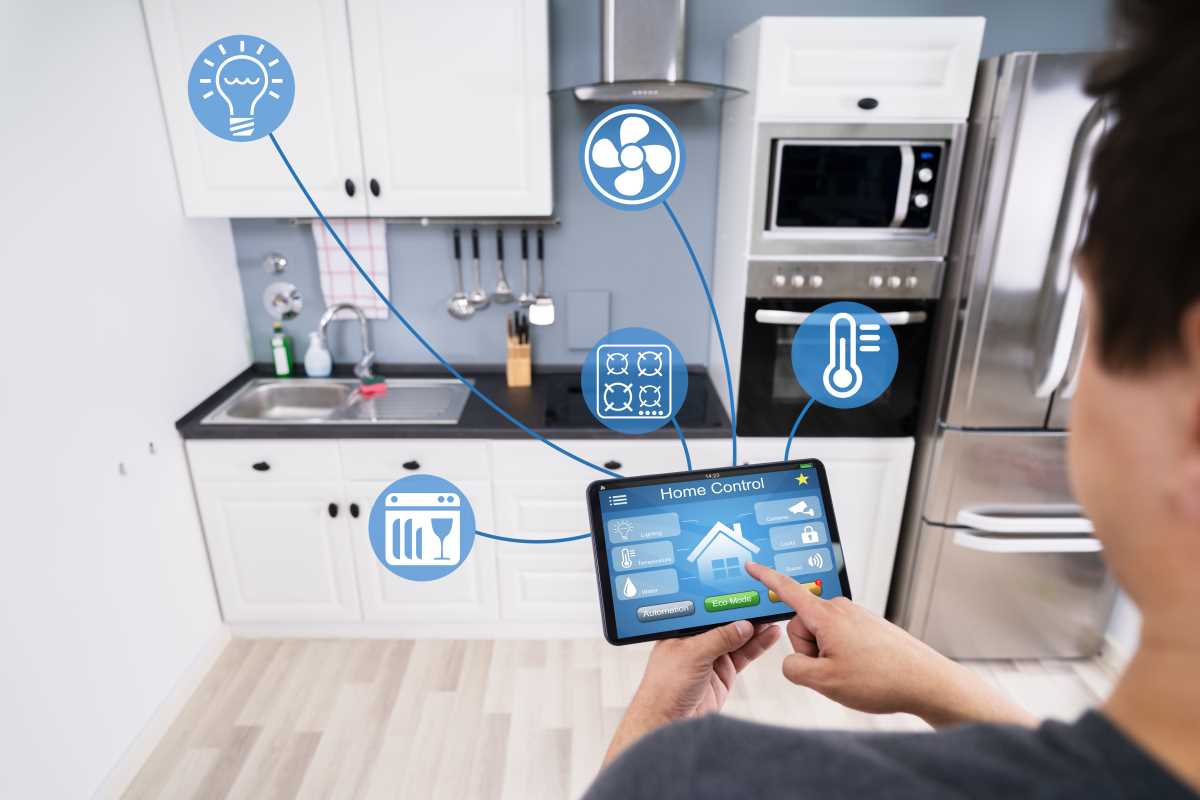
Maintenance has become about data. Smart thermostats act as 24/7 diagnostic tools for your home.
Ecobee Smart Thermostats
Ecobee leads the pack in diagnostic intelligence. Their Smart Security subscription includes "eco+" features that monitor your system's health. It alerts you to sudden drops in efficiency or if your AC is running but not cooling. This immediate feedback allows you to call a pro before the system actually breaks.
Google Nest Learning Thermostat
Google Nest focuses on preventative care through "HVAC monitoring." It tracks your heating and cooling history. If it detects irregular patterns (like the furnace shutting off too quickly or "short-cycling") it sends a "Heads Up" alert to your phone. It even helps you find a qualified pro to fix the issue.
Who to Call for Professional Maintenance
You can change a filter, but you cannot recalibrate a refrigerant charge. For deep cleaning and mechanical checks, you need a certified expert. National chains offer consistency, vetted technicians, and solid warranties.
Aire Serv
Aire Serv is a top-tier choice for reliability. They operate on a flat-rate pricing model, so you never get hit with surprise hourly fees. Their "Advantage Plan" offers scheduled maintenance visits, priority service, and discounts on repairs. They focus on total system performance rather than just quick patches.
One Hour Heating & Air Conditioning
Timeliness is their brand promise. One Hour Heating & Air Conditioning guarantees that their technicians will arrive on time, or "you don't pay a dime." Their "Comfort Club" membership includes annual inspections and safety checks. They are known for strict drug testing and background checks on all employees, ensuring peace of mind when you open your door.
NATE Certification
Regardless of which company you choose, ask one question: Are your technicians NATE-certified? North American Technician Excellence (NATE) is the gold standard in the industry. A NATE badge proves the technician has passed rigorous testing on real-world systems. Never settle for an untrained handyman when your expensive equipment is on the line.
Manufacturer Support and Dealer Networks
Sometimes the best service comes straight from the source. Major manufacturers maintain networks of authorized dealers who are specifically trained on their equipment.
Carrier Experts
Carrier invented modern air conditioning. Their "Factory Authorized Dealers" must meet strict standards for training, insurance, and customer satisfaction. Hiring a Carrier expert ensures that replacement parts are genuine and that the technician understands the nuances of Carrier's proprietary Infinity™ system controls.
Trane Comfort Specialists
Trane is famous for durability ("It's Hard to Stop a Trane"). Their "Comfort Specialist" designation is given only to dealers who demonstrate a commitment to ongoing education and superior service. If you have a Trane system, using a specialist protects your warranty and ensures the unit runs at factory specifications.
The Professional Maintenance Checklist
When you hire a pro like Aire Serv or a Carrier dealer, know what you are paying for. A "tune-up" should be comprehensive, not a quick glance.
What a Real Visit Includes:
- Coil Cleaning: Technicians chemically clean the condenser and evaporator coils. This restores heat transfer efficiency.
- Drain Flushing: They clear the condensate drain line to prevent water damage and mold growth.
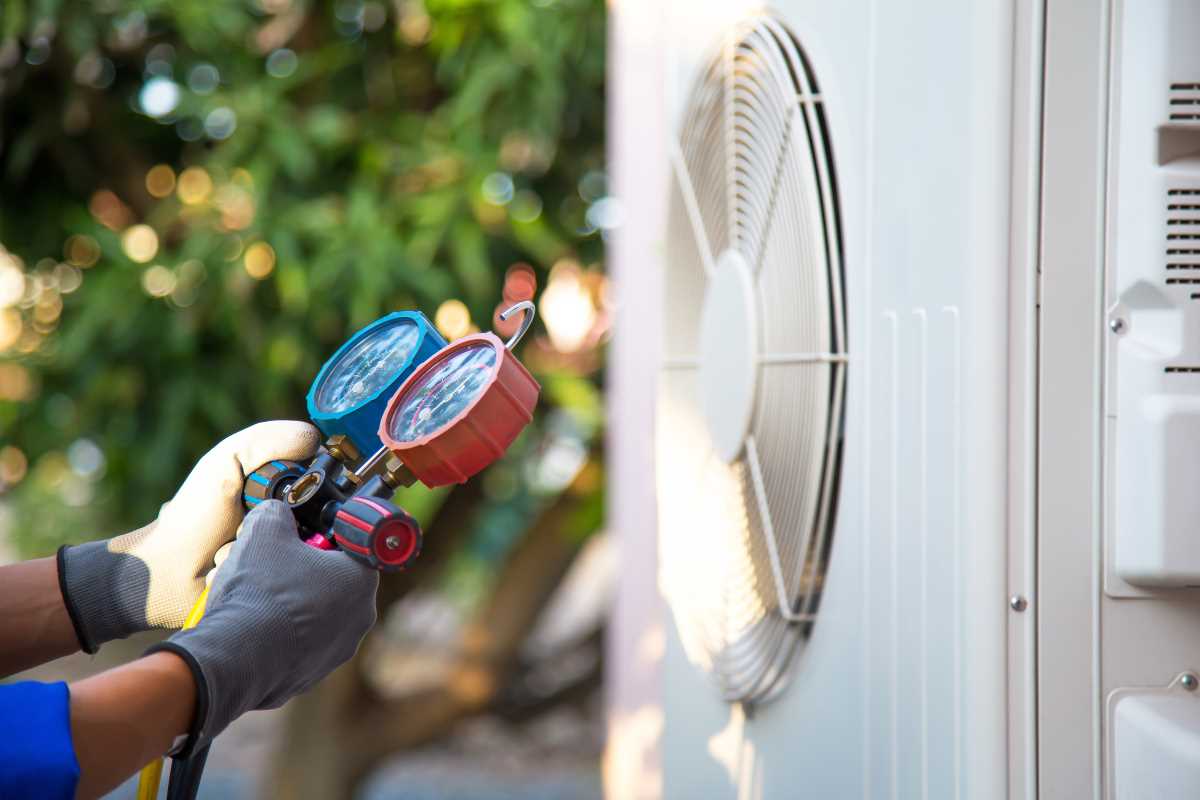
- Refrigerant Check: They measure pressure levels. Low refrigerant signals a leak that must be fixed immediately.
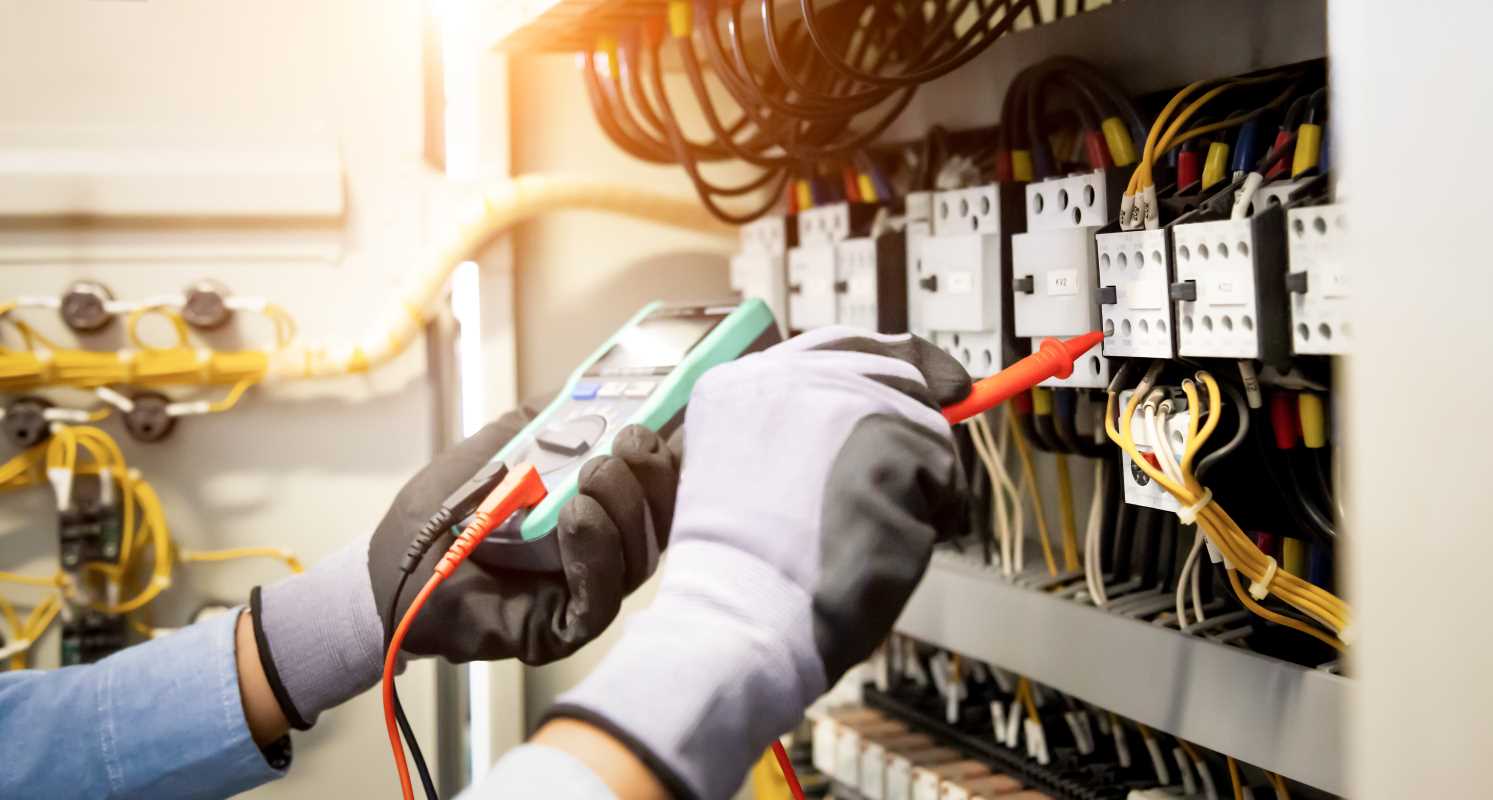
- Electrical Inspection: They tighten loose connections and measure voltage on motors. This prevents electrical fires and motor burnout.
- Safety Testing: They test limit switches and carbon monoxide detectors to ensure your family is safe.
Commercial vs. Residential Needs
Business owners face different stakes. A down system means lost revenue, unhappy customers, and unproductive employees.
Commercial Scale
Commercial systems are larger and more complex. They often use cooling towers or rooftop units (RTUs). Maintenance here focuses on indoor air quality (IAQ) compliance and maximizing asset life.
Limbach
For large-scale commercial facilities, Limbach provides integrated building systems solutions. They move beyond simple repairs to offer "Owner Direct Services," focusing on energy retrofits and long-term equipment management for hospitals, universities, and office towers.
DIY Maintenance
While you need a pro for the heavy lifting, you can handle the basics.
- Keep it Clear: Keep the area around your outdoor unit clear. Trim back bushes and remove leaves. Your AC needs to breathe.
- Check the Filter: Check your Filtrete filter every 30 days. Replace it at least every 90 days, or sooner if you have pets.
- Inspect the Vents: Ensure all supply and return vents are open and unblocked by furniture. Closing vents actually hurts efficiency by increasing pressure in the ductwork.
- Listen: Pay attention to odd noises. Grinding, squealing, or banging are cries for help.
All articles published on ToolGauge are created for informational and editorial purposes only. Readers are encouraged to verify details directly with service providers, professionals, or official sources before making decisions related to services. ToolGauge is not affiliated with, endorsed by, or officially connected to any specific company, brand, or service provider unless explicitly stated.