 (Image via
Pest control is one of the most important things you can invest your time and money into. Being proactive saves you thousands in the long run. Silent threats can destroy your property value and put your health at risk. Pests like termites, rodents, and cockroaches operate out of sight, compromising the structural integrity of your buildings and contaminating your environment. Termites alone cause billions in damages annually across the country, silently eating away at wooden structures. Meanwhile, rodents and other vermin can spread diseases and trigger allergies as they move through hidden spaces like walls and attics. Homeowners and business operators often miss the early warning signs until a full-blown infestation takes hold, leading to expensive repairs and potential legal liabilities. This guide will break down the top threats to your buildings and outline verified, modern approaches for eliminating them effectively.
The Heavy Price of Unwanted Intruders
Pests are more than just a nuisance; they are financial liabilities. Knowing the exact dangers helps you spot trouble before it amplifies.
Termites
Termites cause more structural damage in the U.S. than fires or storms combined. These pests devour wood, flooring, and even wallpaper glue 24/7. Years can pass before you spot any damage, but by then, structural beams may be compromised. Mud tunnels on your foundation are a telltale sign of their secret activity. Hollow-sounding wood spells trouble. Most homeowners' insurance policies do not cover termite damage, leaving you to foot the bill. Terminix specializes in termite defense, offering comprehensive inspections and bond options that act like a warranty for your home's structure.
Rodents
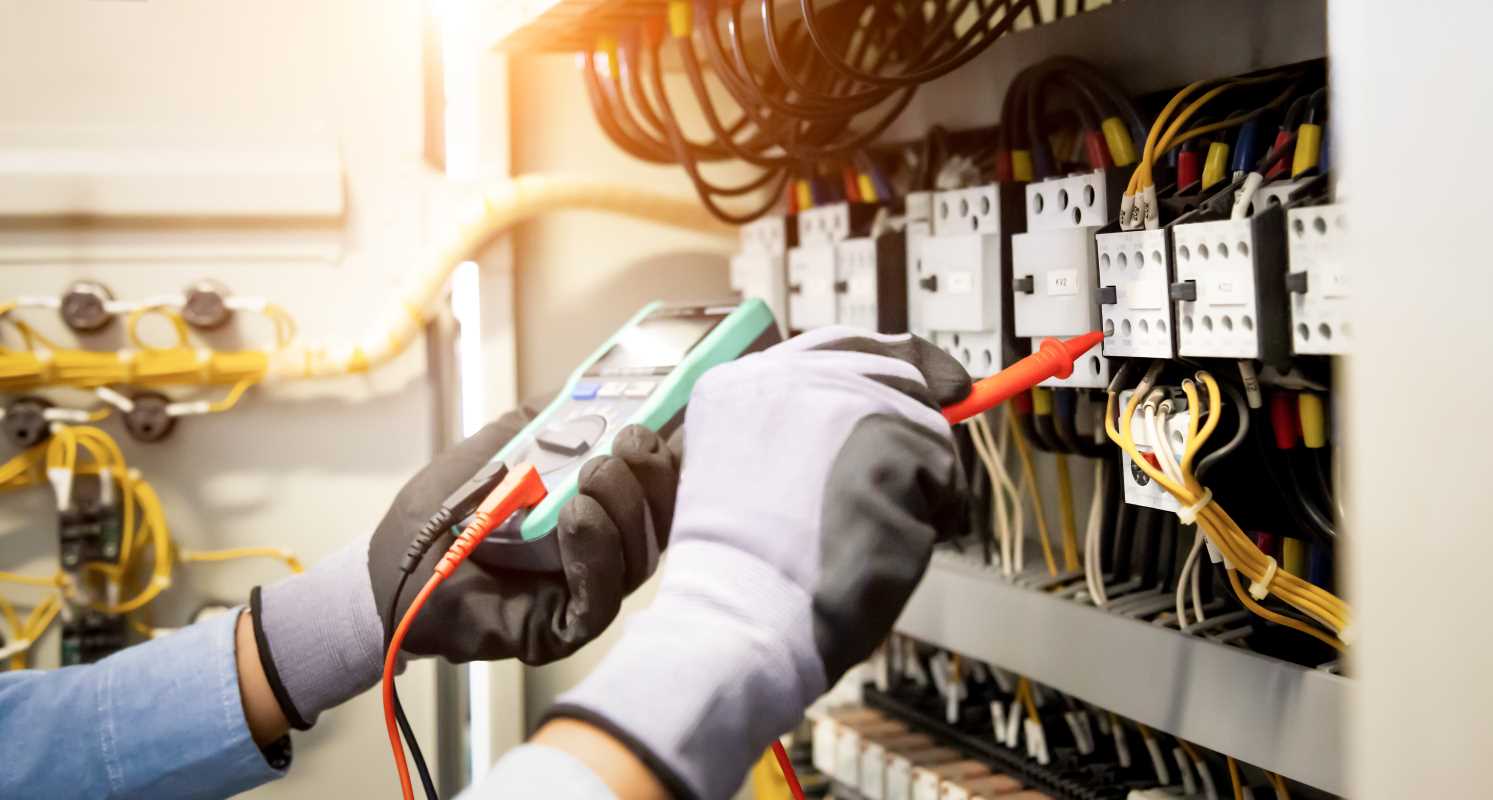
Mice and rats endanger both buildings and people. Their teeth never stop growing, so they chew on anything hard, including electrical wiring. This habit significantly increases fire risks; estimates suggest rodents cause about 20% of undetermined structure fires. They also leave behind contaminants, spreading diseases like salmonella. A single pair of mice can multiply rapidly, turning a minor sighting into a major infestation in weeks.
Cockroaches and Air Quality
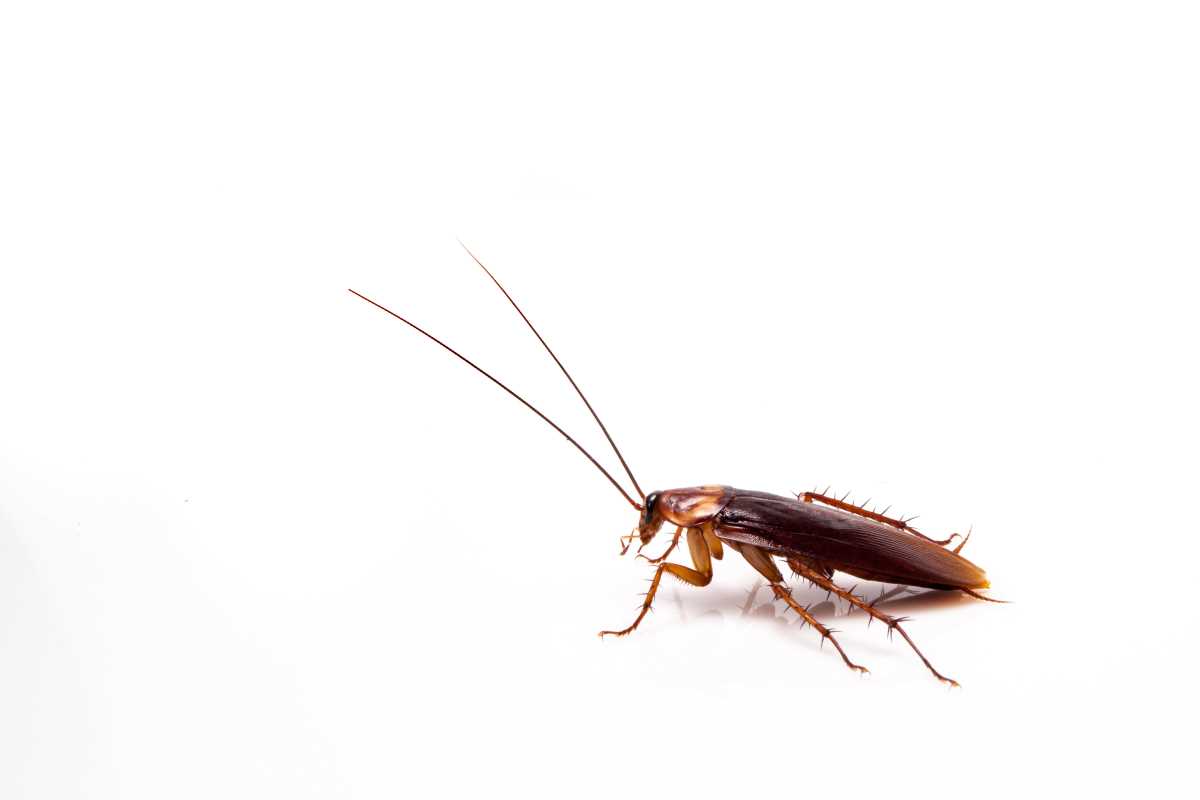
A roach sighting signals more than a dirty room. These insects trigger allergic reactions and asthma attacks, particularly in children. Their droppings and shedding skins degrade indoor air quality. Roaches thrive in damp environments, like under sinks or around leaky pipes. For restaurants, a roach problem can trigger health department shutdowns and long-term reputational damage.
Bed Bugs
Bed bugs have surged in cities, infesting hotels, offices, and apartments. They hitch rides on luggage and clothing, spreading effortlessly. Their bites cause red welts and severe itching, but the psychological toll is often worse. Victims report anxiety and sleep loss. Eradicating bed bugs requires intensive professional treatment, as they have developed resistance to many store-bought remedies. Orkin is a leader in this field, using advanced detection and treatment methods to ensure complete removal.
Today’s Approach to Pest Issues
Modern pest management goes beyond simple sprays. Professional removal now relies on Integrated Pest Management (IPM), a data-driven strategy that focuses on long-term prevention.
IPM
IPM targets the source of the problem. Experts inspect buildings for cracks, leaks, and food sources that attract pests. The goal is to make your environment inhospitable to invaders. Monitoring devices track activity to determine exactly where treatment is needed, reducing unnecessary chemical use and focusing on results.
Keeping Trouble Out
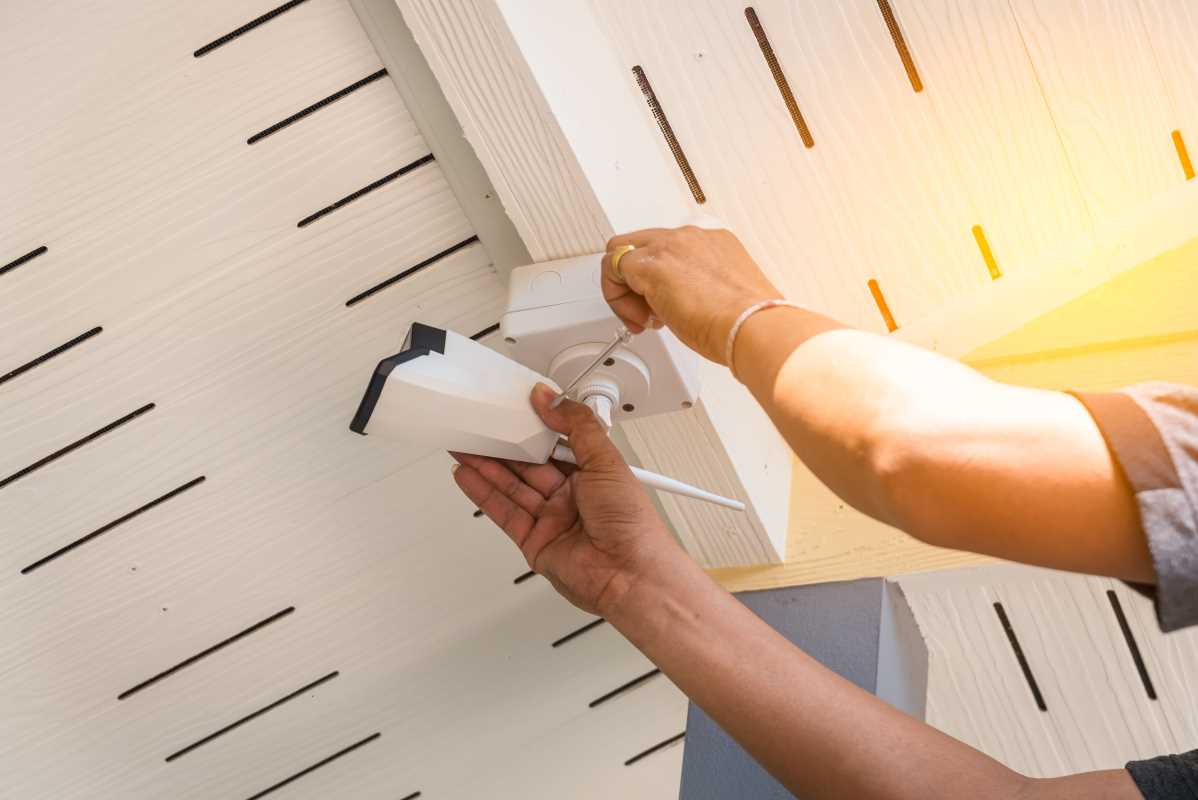
Exclusion is the best defense. This involves sealing gaps, cracks, and vents with durable materials. Door sweeps block entry points under doors, while screens protect windows and attic vents. Smart landscaping (like trimming tree branches away from your roof) eliminates natural bridges for pests. Companies like Rentokil excel at commercial exclusion services, fortifying businesses against re-entry.
Varied Solutions for Every Situation
Professionals use a mix of tools tailored to the specific threat:
- Bait Systems: Slow-acting baits for ants and roaches are carried back to the nest, eliminating the entire colony over time.
- Heat Treatments: Bed bugs cannot survive high temperatures. Professionals use industrial heaters to raise the temperature of a room, killing bugs at all life stages without lingering chemicals.
- Targeted Applications: Liquid treatments are applied precisely to key areas like baseboards or building perimeters. This creates a barrier that stops movement without exposing occupants to excess product.
Selecting a Trusted Specialist
You need to trust the people you invite into your home or business. Skill and reliability are non-negotiable.
Ensuring Proper Credentials
A dependable company must hold current licenses. This proves their technicians understand safety protocols and pest biology. Always request documentation and verify credentials with state agencies. National providers like Ehrlich Pest Control maintain rigorous training standards for their staff, ensuring compliance with all local regulations.
Reviewing Reputation
Online feedback offers a window into a company’s reliability. Look for patterns in reviews regarding punctuality and communication. How a provider responds to negative feedback reveals their commitment to customer service. Local recommendations are also valuable; a business familiar with your specific region knows which local pests pose the biggest threat.
Prioritizing Safe Methods
Ask about the products being used. Responsible providers will offer Safety Data Sheets (SDS) and explain any potential risks. They favor low-toxicity options, which is vital for spaces occupied by children, pets, or the elderly. Aptive Environmental focuses on environmentally responsible solutions, using products derived from naturally occurring substances whenever possible.
Insisting on Clear Estimates
Never accept a quote over the phone without an inspection. A professional will visit your property, assess the issue, and provide a detailed report. This should outline the target pests, the proposed strategy, and the total cost. Avoid companies that are vague about pricing. Your agreement should also cover guarantees. If the pests come back, so should the technician, at no extra cost.
Ongoing Inspections and Preventative Care
Waiting until you see a bug means you are already behind. Regular service agreements keep you ahead of the curve. With quarterly or bi-monthly visits, experts refresh your defense lines and catch early warning signs before they become emergencies. Scheduled maintenance is cheaper than emergency extermination and allows for predictable budgeting.
All articles published on ToolGauge are created for informational and editorial purposes only. Readers are encouraged to verify details directly with service providers, professionals, or official sources before making decisions related to services. ToolGauge is not affiliated with, endorsed by, or officially connected to any specific company, brand, or service provider unless explicitly stated.