 (Image via
You want to be able to take pride in your home and that starts with the outside. When people look from the street to your house, they shouldn't see a dirty exterior. Algae streaks on a roof or oil stains on a driveway can make even the most beautiful property look neglected. Pressure washing offers a fast, powerful solution to this problem. It strips away years of grime, restoring surfaces to their original glory without the need for expensive renovations. This cleaning method uses high-pressure water spray to remove loose paint, mold, grime, dust, mud, and dirt from surfaces and objects. Homeowners and business owners alike turn to these services to instantly lift the look of their buildings. It is a cost-effective way to protect your investment and make a lasting impression.
The Power of a Clean Exterior
Curb appeal translates into real value. Real estate agents consistently rank exterior cleaning as one of the top improvements with the highest return on investment (ROI). A clean exterior suggests that the property is well-maintained inside and out.
First Impressions Stick
You may drive past a home with a moss-covered sidewalk and a dingy facade, but what if that same home has bright, clean concrete and sparkling siding? The difference is night and day. Pressure washing removes the grey, weathered film that accumulates over time. This instant facelift is crucial if you plan to sell. Potential buyers often make up their minds before they step through the front door. A pristine exterior invites them in, while a dirty one raises red flags about maintenance issues.
Protecting Against Damage
Dirt and grime are more than cosmetic issues. They can actually destroy building materials. Mold, mildew, and algae feed on surface coatings like paint and wood stain. Over time, they eat away at the substrate, causing rot and decay. Bird droppings are highly acidic and can weaken roofs and gutter systems. Regular pressure washing removes these harmful contaminants. It acts as preventative maintenance, extending the lifespan of your siding, deck, and driveway. Replacing a rotted deck costs thousands. Cleaning it regularly costs a fraction of that amount.
Health and Safety Benefits
Your property’s exterior affects your health too. Mold, mildew, and pollen that accumulate on outer walls can easily find their way inside through vents and windows. This triggers allergies and respiratory issues for occupants. Pressure washing eliminates these allergens at the source and improves safety. Algae and moss make walkways incredibly slippery, especially when wet. A professional cleaning removes this slip hazard, preventing potential falls and injuries on your property.
Understanding the Process
Pressure washing involves a mix of physics and chemistry. The process relies on three key elements: pressure, water flow, and cleaning solutions.
The Role of PSI and GPM
You will often hear terms like PSI (Pounds per Square Inch) and GPM (Gallons per Minute). PSI measures the force of the water. Higher PSI packs a harder punch, making it effective for tough stains on concrete. GPM measures the volume of water used. Higher GPM rinses away debris faster. Professionals know how to balance these two factors. Too much pressure can strip paint, gouge wood, or crack vinyl siding. Too little pressure won't get the job done.
Soft Washing vs. Power Washing
Not all surfaces can handle high pressure. Soft washing uses low pressure (often less than 500 PSI) combined with specialized cleaning solutions. These solutions break down dirt and kill organisms like mold and algae. It is the preferred method for delicate surfaces like roof shingles, stucco, and painted wood siding. Power washing, on the other hand, often uses heated water and higher pressure. It is ideal for hard, durable surfaces like concrete driveways, stone patios, and commercial parking lots. The heat helps break down grease and oil stains that cold water cannot touch.
Key Areas to Target for Maximum Impact
Focusing on specific areas yields the best results for your curb appeal. A strategic approach ensures you get the most visual bang for your buck.
Driveways and Walkways
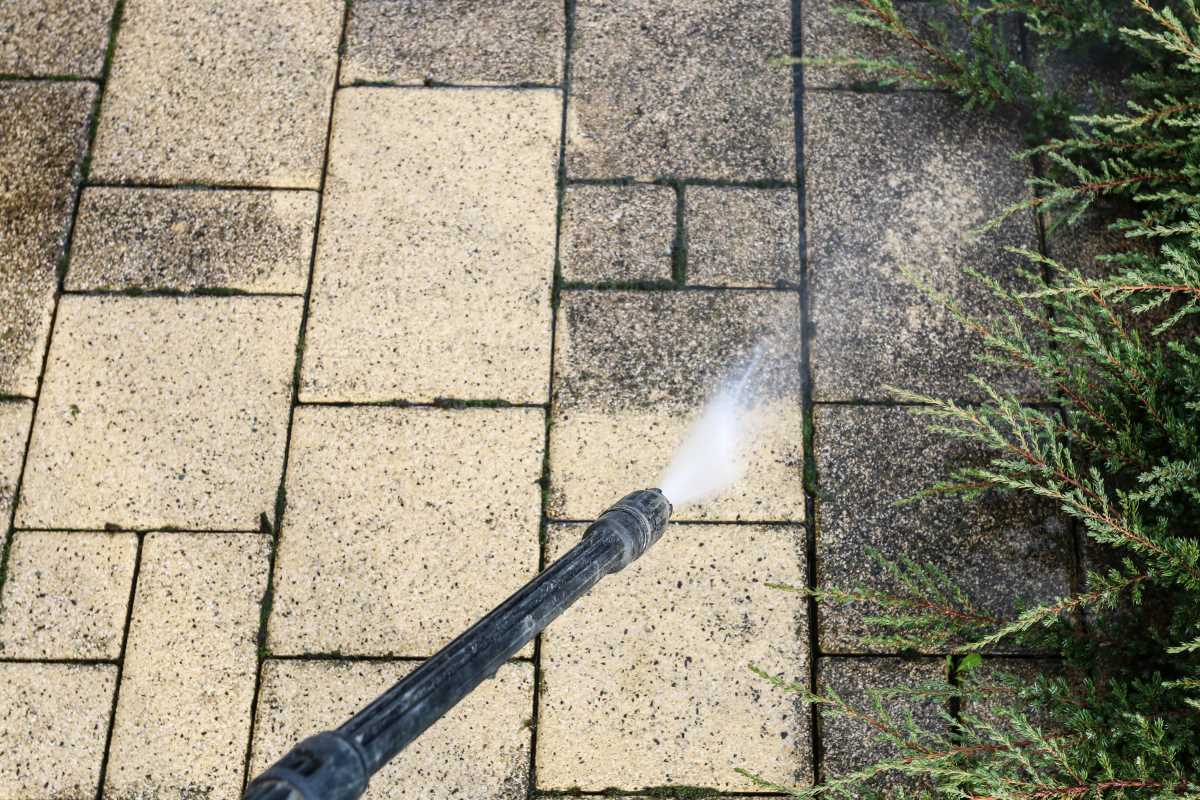
Your driveway is often the first thing people see. It takes a beating from vehicle traffic, oil leaks, and foot traffic. Concrete acts like a sponge, absorbing fluids that leave ugly stains. Professional pressure washing penetrates the pores of the concrete. It lifts out oil, tire marks, and accumulated dirt. Sealing the concrete after washing creates a barrier against future stains, keeping it looking fresh longer.
Siding and Exterior Walls
House siding collects dust, cobwebs, and green algae, especially on the shaded north side of a building. Vinyl, brick, and stucco all require different cleaning approaches. High pressure can force water behind vinyl siding, causing mold growth inside the walls. It can also chip brick mortar. Professionals use the soft wash technique here. They apply a detergent, let it dwell to loosen the grime, and then gently rinse it away. The result is a bright, clean home without the risk of water damage.
Decks and Patios
Outdoor living spaces are extensions of your home. Wooden decks turn grey and slippery as they age. Composite decking can develop mold spots. Pressure washing restores the wood’s natural grain and prepares it for staining or sealing. For stone or paver patios, washing removes the weeds and moss growing between the joints. It brings back the vibrant colors of the stone, making the area inviting for guests and family.
Roofs and Gutters
Black streaks on a roof are usually caused by a bacteria called Gloeocapsa Magma. This bacteria feeds on the limestone filler in asphalt shingles. Left unchecked, it shortens the roof's life and increases energy bills by absorbing heat. Roof cleaning requires extreme care. High pressure strips the protective granules off shingles. Soft washing kills the bacteria without damaging the roof. Clean gutters are essential. Clogged gutters lead to water overflow, which stains siding and can damage the foundation. Pressure washing the inside of gutters ensures proper water flow and prevents these issues.
Hiring a Professional vs. DIY
You can rent a pressure washer at a local hardware store. DIY attempts often lead to lackluster results or, worse, significant damage.
The Risks of DIY
Handling a pressure wand requires skill. One slip can etch lines into wood, shatter windows, or cause personal injury. The high-pressure stream can cut through skin and cause serious infections. Furthermore, consumer-grade machines often lack the power needed for deep cleaning. They rely solely on pressure, whereas professionals use commercial-grade detergents to do the heavy lifting. You might spend an entire weekend washing your driveway only to see streaks and missed spots once it dries.
The Professional Advantage
Professional services bring expertise and efficiency. They assess the specific needs of your property. They know exactly which nozzle tip to use and which cleaning solution is safe for your plants. They carry insurance to cover any accidental damage. Their commercial equipment cleans faster and more effectively than rental units. They also have access to hot water units, which are essential for removing gum and grease. Hiring a pro saves you time, physical labor, and the risk of costly repairs.
What to Look for in a Provider
Do your homework before hiring. Look for a company with positive reviews and verifiable insurance. Ask about their cleaning methods. Do they use soft washing for delicate areas? Do they protect your landscaping during the process? A reputable company will be transparent about their pricing and offer a written estimate. Avoid providers who offer "too good to be true" prices, as they may cut corners or lack proper insurance.
All articles published on ToolGauge are created for informational and editorial purposes only. Readers are encouraged to verify details directly with service providers, professionals, or official sources before making decisions related to services. ToolGauge is not affiliated with, endorsed by, or officially connected to any specific company, brand, or service provider unless explicitly stated.